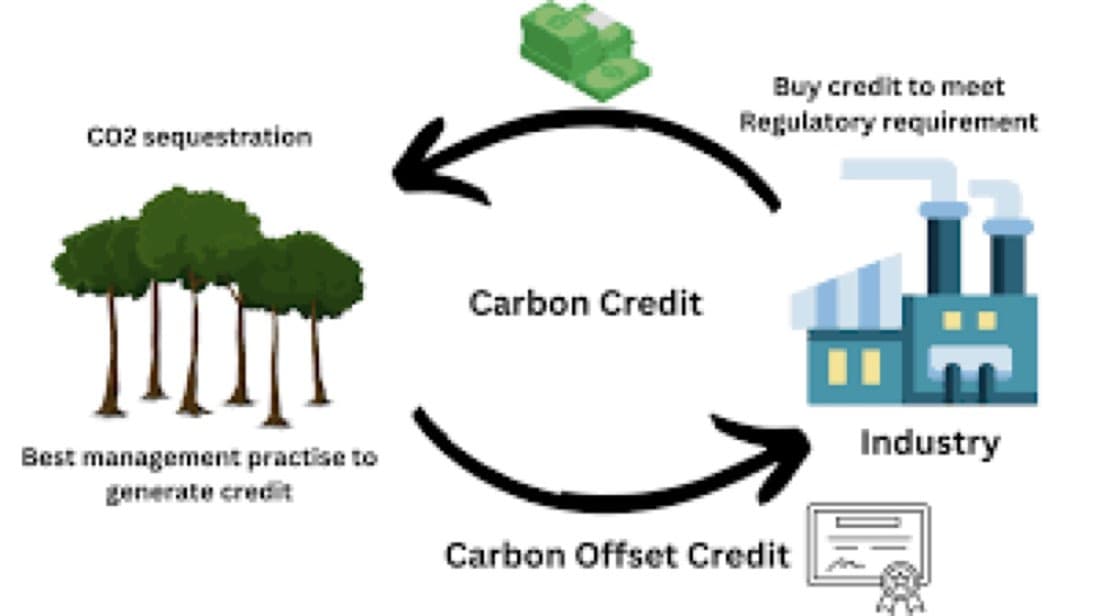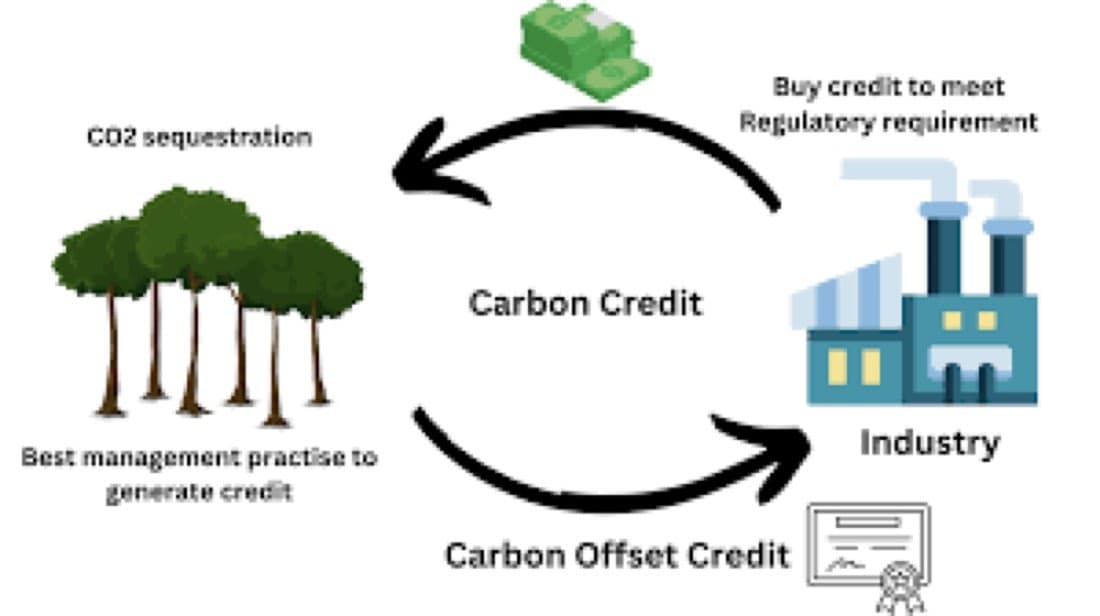

In January 2025, a court sitting in Isiolo issued a decision that sent shockwaves across Kenya’s investment landscape. In the landmark case of Abdirahman Osman & 164 Others v. Northern Rangelands Trust, a three-judge bench effectively brought a multi-million dollar carbon project to an abrupt halt. The court found that the project, having been established on unregistered community land without proper, verifiable consent, was unconstitutional and therefore invalid.
The “Title Deed” Paradox
The National Blue Economy Strategy 2025–2030 for Kenya is now in full swing. Its goal is to turn our mangroves and seagrass into “Blue Gold” by selling carbon credits. But there is a huge legal “fault line” that runs through the area. Under Article 63 of the Constitution, most of these carbon-rich ecosystems are on land that is considered Community Land.
The issue? The process of making community land titles official is still going on in coastal areas like Kwale and Kilifi. Signing a carbon deal with a government agency on land that hasn’t been officially registered to the local community is a huge risk for an investor. The Community Land Act says that the community owns everything. According to the courts, a contract signed with the wrong person isn’t an asset; it’s a liability that needs a permanent injunction.
The 40% Rule: A New Time for Being Responsible
The new Climate Change (Carbon Markets) Regulations put an end to “handshake deals” with powerful people in the area. Any carbon project on land is now required by law to give at least 40% of its total profits back to the community where it is located.
This adds another legal problem that many people aren’t aware of: the Capacity Gap. If a community doesn’t have a registered Community Land Management Committee (CLMC), who can legally sign the Community Development Agreement (CDA)? The project comes to a halt without a recognized legal representative. If there is no legal entity to receive and manage the money, you can’t meet the 40% legal requirement. The “Blue Carbon” stays stuck in the mud, and the money is wasted.
The Real Stakes: Due Diligence is Non-Negotiable
We need to stop thinking of “Green” and “Blue” projects as only environmental ones. In reality, they are real estate games. Before any money is spent on a coastal project in 2026, a “Tenure Audit” must be done. This is more than just looking at a map; it means checking:
Status of Registration: Has the land in the community been surveyed and registered under the Community Land Act?
The FPIC Audit: Is there written proof of “Free, Prior, and Informed Consent” that meets the constitutional standard for public participation in Article 69(1)(d)?
Representative Standing: Does the community committee have the legal right (minutes, registration, and election records) to sign a legally binding agreement to share 40% of the benefits?
Conclusion
With infrastructure like the Shimoni Fish Port now propelling maritime trade, Kenya has a fantastic chance to spearhead Africa’s blue economy. But the law needs to take the lead if this market is to endure.
“Is the deed in order?” should be the question we ask instead of how much carbon we can sequester. The companies with the cleanest titles will win the 2026 carbon market, not the ones with the most trees.