
Is Kenya and East Africa Ready? Part 1
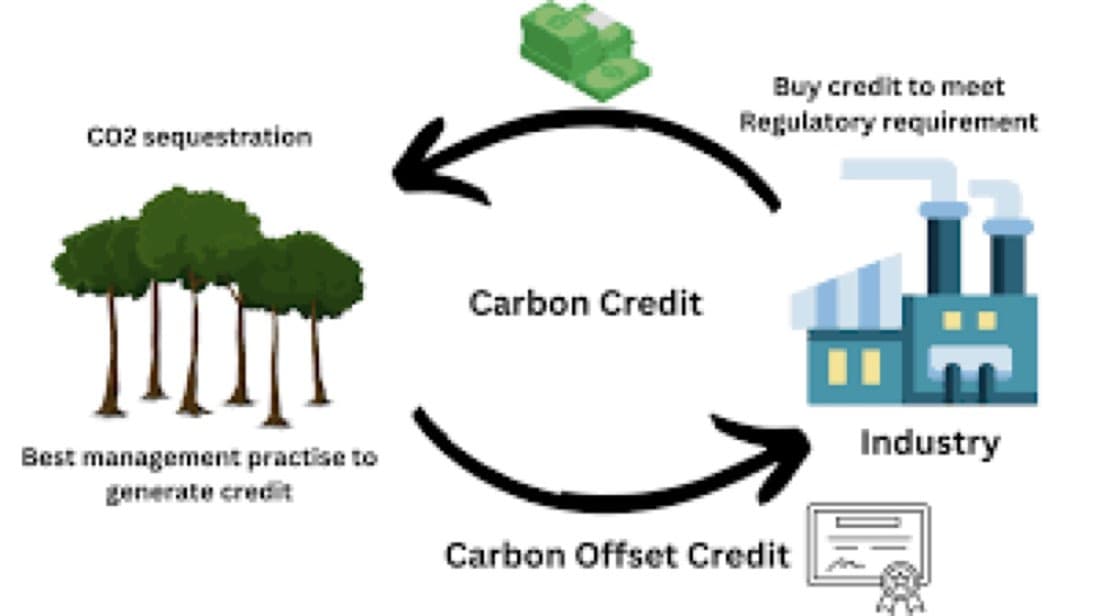
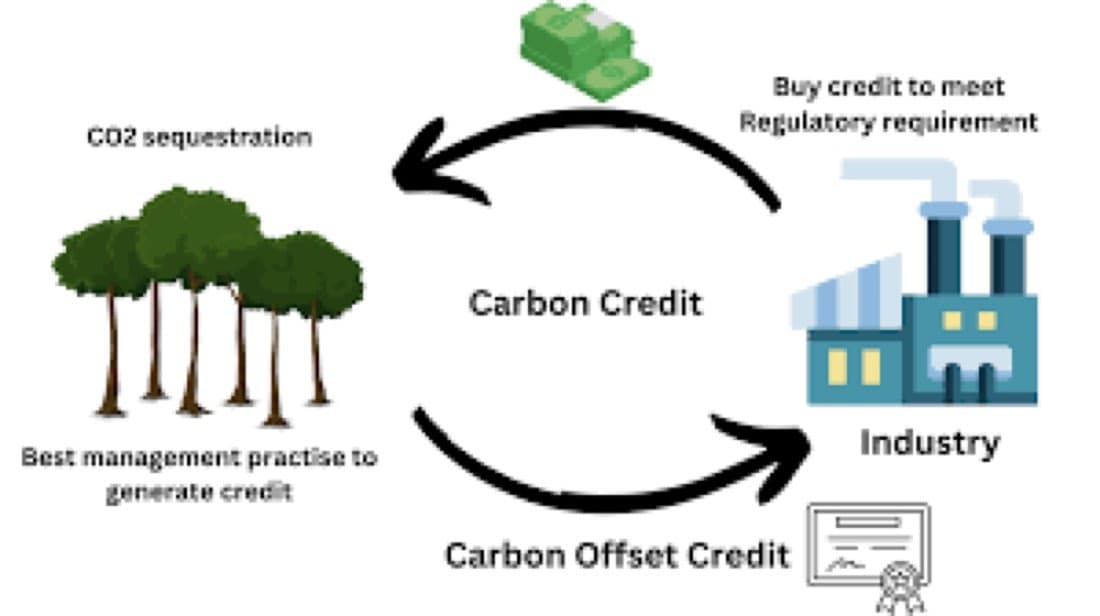
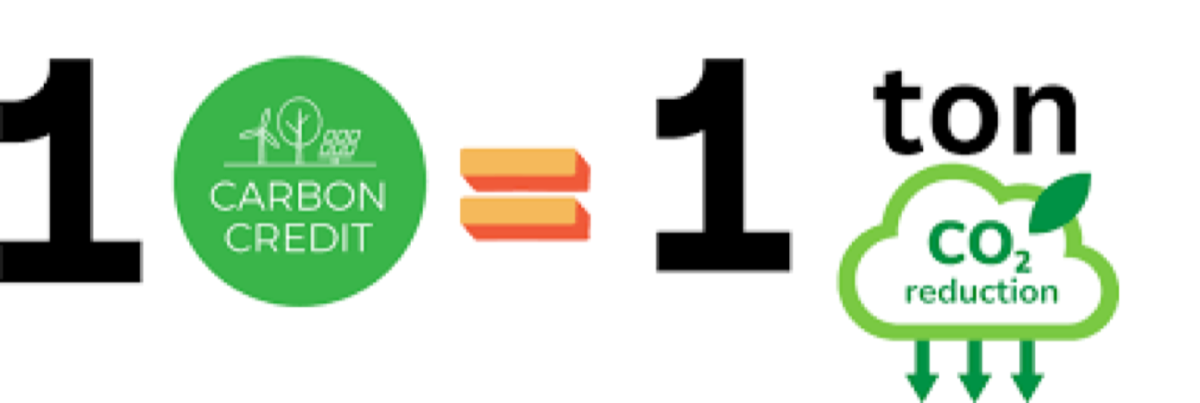
Think of a carbon credit as a receipt – proof that one tonne of carbon dioxide has been stopped from entering the atmosphere, or pulled out of it. When a forest is protected from being cut, when mangroves are restored, or when a community switches to cleaner cooking stoves, the resulting emissions reduction can be measured, verified by an independent auditor, and turned into a credit that can be sold on the global market. Each credit equals one tonne of CO₂.
Buyers, mostly companies trying to meet climate pledges, purchase these credits to offset what they cannot yet eliminate from their own operations. The money then flows back to the project: funding schools, water pumps, ranger salaries, or community health facilities. There are two types of carbon markets:
Compliance Markets: Governments legally require big polluters to pay for their emissions. Kenya is building the infrastructure to participate in both.
Voluntary Carbon Markets (VCMs): Companies choose to buy credits to meet environmental, social and governance (ESG) targets or net-zero pledges. Standards bodies like Verra, Gold Standard and Plan Vivo certify these projects.
At the global level, Article 6 of the 2015 Paris Agreement allows countries to trade carbon reductions across borders. Two parts matter most for Kenya:
- Article 6.2: Country-to-country deals. Kenya has signed bilateral agreements with Switzerland and Sweden.
- Article 6.4: A new UN-supervised global carbon mechanism, successor to the Kyoto Protocol’s Clean Development Mechanism.
| Carbon Credit | 1 tonne of CO₂ removed or avoided, certified by an accredited body |
| REDD+ | A global scheme that pays countries to protect forests from deforestation |
| Blue Carbon | Carbon stored in coastal ecosystems: mangroves, seagrass, salt marshes |
| MRV | Monitoring, Reporting and Verification-the science behind credit integrity |
| ITMO | Internationally Transferred Mitigation Outcome-a tradeable unit under Article 6.2 |
| DNA | Designated National Authority-Kenya’s government body that approves carbon projects |
| FPIC | Free, Prior and Informed Consent-communities must say yes before projects begin on their land |
Kenya’s Framework: From Law to Market
Kenya has spent eight years building the legal scaffolding to make carbon markets work. It is now the most advanced country on the continent for this.
- 2016: The Climate Change Act created Kenya’s first formal climate governance structure.
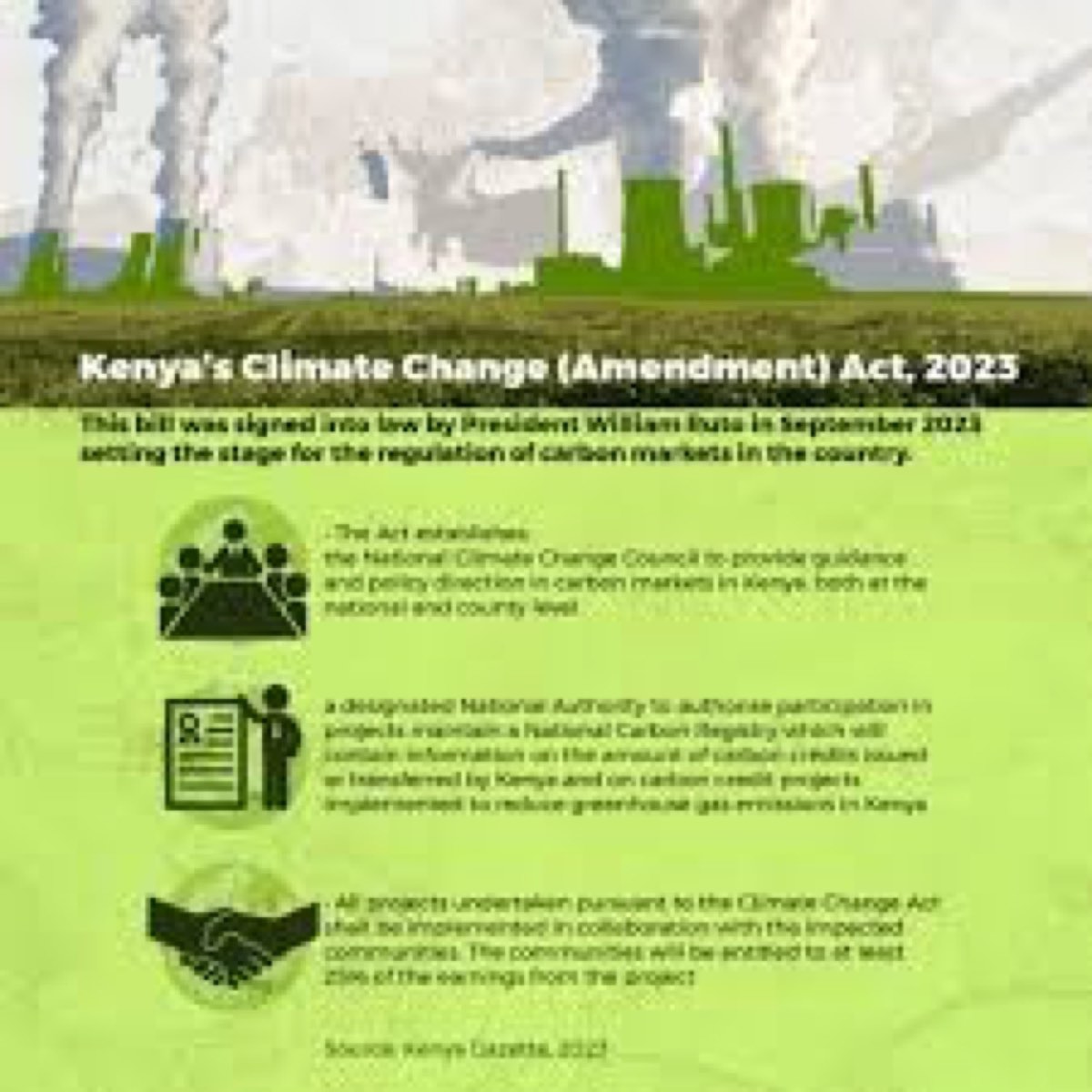
- 2023: An Amendment Act explicitly introduced carbon markets and created the Designated National Authority (DNA) to oversee them.
- May 2024: The Climate Change (Carbon Markets) Regulations were gazetted-covering project approval, community consent, benefit-sharing, and mandatory environmental assessments for all projects.
- July 2025: Kenya became the first African country to launch a national REDD+ Registry, tracking all forest-based carbon credits.
- February 2026: The Kenya National Carbon Registry (KNCR) went live-a central digital platform managed by NEMA that records every credit, every transfer, and every authorisation.
The Role of Lawyers in Carbon Markets
Carbon credits may sound scientific to most of us, but they live and die by contracts and law. Lawyers are central to every stage of the process; and communities who do not have legal support are routinely short-changed.
- Community rights protection: The 2024 Regulations require Free, Prior and Informed Consent (FPIC) for all projects on community land. A lawyer helps ensure that consent is genuine, not rushed, and that communities understand what they are agreeing to-including grazing restrictions, land-use changes, and revenue timelines that can last 20 to 30 years.
- Project structuring and contracts: Lawyers draft and review Community Development Agreements (CDAs)-the binding documents that spell out how carbon revenues are split between developers, conservancies, and households.
- Due diligence and verification: Before a company buys credits, legal advisers check title documents, verify that no double-counting exists, and confirm that the project holds a valid Letter of Authorisation from the DNA.
- Dispute resolution: The Isiolo court ruling of January 2025; where 165 community members successfully challenged the Northern Rangelands Trust; showed that poorly managed projects can be shut down by courts. Environmental law firms like BBA Advocates are now supporting pastoralist communities in renegotiating contracts.
- Article 6 transactions: Bilateral deals with countries like Switzerland involve sovereign-level agreements. International carbon and climate lawyers advise on ITMO authorisations, host-country approvals, and corresponding adjustments that prevent the same credit from being counted twice.
The Market Opportunity
In 2022, Kenya received 11 million voluntary carbon credits; second only to the Democratic Republic of Congo on the continent. Its bilateral Article 6.2 deals with Switzerland and Sweden could unlock over USD 1 billion in debt-free financing. With the EU proposing to open limited international credit purchases from 2036; potentially generating demand for 1 billion credits worth USD 20 billion; the opportunity is real and growing.
Wildlife Conservancies: Carbon Credits on the Ground
How a Conservancy Earns Carbon Credits
The journey from conservation land to carbon credit takes time, typically two to four years. It starts with scientists measuring the carbon already stored in the land and estimating what would be lost if the project did not exist (the ‘baseline’). A third-party auditor then verifies the numbers. Credits are issued onto a registry and sold. The revenue must then be shared with communities through a Community Development Agreement – now a legal requirement under Kenya’s 2024 Regulations.
The Northern Kenya Rangelands Carbon Project
The Northern Kenya Rangelands Carbon Project (NKRCP), run by the Northern Rangelands Trust (NRT), is described as the world’s largest soil carbon removal project. It covers 4.7 million acres across 14 community conservancies. Corporate buyers have included Meta, Netflix and NatWest. The 14 conservancies collectively earned KES 1.7 billion (roughly USD 12.6 million) over three years, with each receiving about USD 324,000 annually in 2022 and 2023.
The project has also become one of Kenya’s most contested. In January 2025, the Environment and Land Court ruled in favour of 165 indigenous community members in Isiolo County, halting two conservancies and ordering land returned, after finding communities had not given proper consent and environmental assessments were inadequate. Credit issuance has been suspended. The case is now a defining reference point for what can go wrong when communities are not genuinely included.
The Maasai Mara Conservancies
The Greater Maasai Mara Ecosystem Management Plan 2023 to 2032 lists developing carbon credit projects as a priority for the 12 conservancies in the network. Conservancies like Naboisho, Olare Motorogi, and Mara North are exploring carbon finance as a complement to tourism income, which proved fragile during COVID-19. Carbon revenues could fund anti-poaching patrols, community services, and land conservation without depending entirely on visitor numbers.
The Kasigau Corridor-REDD+ That Works
In the dryland forest between Tsavo East and West National Parks, the Kasigau Corridor REDD+ Project – the world’s first certified REDD+ project – has been running since 2005. Managed by Wildlife Works, it protects over 200,000 hectares, employs 300+ local people, and has funded schools, clean water, and a health laboratory for 100,000 community members across six Taita towns. It is the benchmark that other projects aspire to.
This is part 1 of the ongoing discussion on carbon credits and what they mean. Join us in the coming weeks; as we look at other places in Kenya, as well as the East African region, and how these credits affect them.

Further Reading:
Policy and Law
Kenya Climate Change (Carbon Markets) Regulations, 2024-full gazette: https://new.kenyalaw.org/akn/ke/act/ln/2024/84/eng@2024-06-07
EY: Analysis of Kenya’s 2024 Carbon Markets Regulations: https://www.ey.com/en_gl/technical/tax-alerts/kenya-publishes-climate-change–carbon-markets–regulations–202
Market Research and Finance
IFC World Bank: Kenya’s Carbon Finance Moment: https://www.ifc.org/en/stories/2024/kenya-s-carbon-finance-moment
FSD Kenya: Leveraging Carbon Markets for Kenya and Africa: https://www.fsdkenya.org/blogs-publications/leveraging-carbon-markets-to-unlock-finance-for-kenya-and-africa/
Conservancies and REDD+
Wildlife Works: Kasigau Corridor REDD+ Project: https://www.wildlifeworks.com/redd-projects/kasigau-kenya
Ecosystem Marketplace: Kasigau Co-benefits and Community Voice: https://www.ecosystemmarketplace.com/articles/voices-from-the-forest-in-kenya-a-carbon-projects-co-benefits-take-center-stage/