
Is Kenya and East Africa Ready? Part 2. The link to Part 1 is here: https://mmsadvocates.co.ke/carbon-credits-and-the-carbon-market/ Let us know what you think of this topic, any questions you may have and how we at MMS Advocates can serve you better.
The Coast: Where Blue Carbon Leads
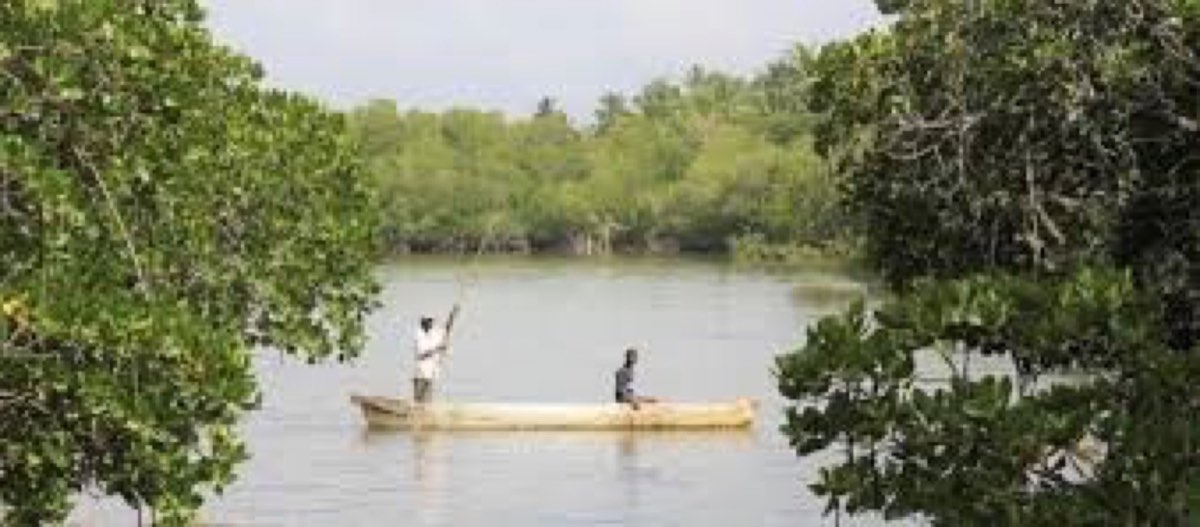
Kenya’s coast – Kwale, Kilifi, Mombasa, Lamu, and Tana River – holds extraordinary carbon wealth beneath the waterline. Mangroves store up to 50 times more carbon in their soils per hectare than tropical forests. They protect shorelines from storm surges, sustain fisheries that millions of coastal families depend on, and are regenerating fast when communities are given reason to protect them. This is ‘blue carbon’, and Kenya’s coast is one of the world’s most important places for it.
Mikoko Pamoja, Gazi Bay, Kwale-The World’s First
In 2012, the fishing villages of Gazi and Makongeni in Kwale County launched Mikoko Pamoja (‘Mangroves Together’)-the world’s first community mangrove carbon credit project, certified under the Plan Vivo standard. The project protects 117 hectares of mangroves and generates about 3,000 carbon credits annually. Since 2014, it has earned over USD 210,000 for the community-funding textbooks for 700 children, clean water for 5,400 residents, and medicines for the local dispensary. In 2023, the United Nations in Kenya named the Gazi community its ‘Person of the Year’.
Vanga Blue Forest, Kwale-Scaling Up
Sixty kilometres south of Gazi Bay, the Vanga Blue Forest Project covers about 1,100 acres. Annual earnings have reached KES 8 to 10 million from roughly 6,000 tonnes of CO₂ offsets. It is governed by a community committee elected every two years-a model that has kept revenues transparent and locally managed.
Lamu-The Frontier
Lamu County is home to Kenya’s largest planned blue carbon project, focused on restoring mangroves across Lamu and Tana River county. Projections point to KES 13 million or more in annual revenues from thousands of certified mangrove hectares.
Across Kwale, Kilifi and Lamu, the community-led model is proving its worth-but only where governance is genuinely local, benefit-sharing is transparent, and legal agreements are reviewed by independent lawyers before signing.
East Africa: How Ready Is the Region?
The Eastern Africa Alliance
In 2019, seven countries; Burundi, Ethiopia, Kenya, Rwanda, Tanzania, Uganda and Sudan; formed the Eastern Africa Alliance on Carbon Markets and Climate Finance. The Alliance, coordinated through the UNFCCC Regional Collaboration Center in Kampala, exists to ensure the region shapes global Article 6 rules and builds the MRV capacity to participate in them.
| Kenya | Most advanced in Africa. National Carbon Registry launched Feb 2026. REDD+ Registry July 2025. DNA operational. Bilateral deals with Switzerland and Sweden. |
| Uganda | Carbon Market Regulations launched May 2025. National registry under construction. Uganda Carbon Bureau facilitating community access. |
| Tanzania | Regulations enacted 2022, amended 2023. Auditor General flagged stalled projects, revenue shortfalls, and transparency gaps. |
| Rwanda | Piloting a cap-and-trade system. National registry expected in 2025. Strong governance track record. |
| Ethiopia | Active EA Alliance member. Forest carbon potential is significant but formal framework still developing. |
| Burundi / Sudan | Earliest stages, participating in Alliance capacity building. |
The Challenges That Still Need Solving
- Upfront financing: Projects take years and significant capital before the first credit is issued. Community and small-scale projects struggle most.
- Community rights: The Isiolo ruling showed what can go wrong without genuine consent. Concerns about ‘carbon colonialism’-outsiders monetising ancestral land while restricting how communities use it-are reshaping how developers must engage.
- Market confidence: Global voluntary carbon markets contracted sharply after 2023 when studies questioned whether some REDD+ projects were delivering real reductions. High-integrity credits from well-governed projects in Kenya are better positioned, but buyers are now more demanding.
- Technical capacity: MRV-the science of measuring, reporting and verifying emissions reductions-requires expertise and infrastructure that most East African institutions are still building.
- Land tenure: Many of Kenya’s most carbon-rich landscapes are community or group ranch land where formal title is contested. This creates legal risk that lawyers and policymakers must resolve before large-scale projects can proceed.
The Verdict
Kenya is unquestionably Africa’s most advanced carbon market, with the legislation, registry infrastructure, bilateral deals, and active project pipeline to back that up. But readiness is still uneven-concentrated in specific project types (blue carbon, REDD+), specific geographies (the coast, northern rangelands, Tsavo), and specific institutions. Smaller communities, inland conservancies, and county governments are largely watching from the sidelines.
Across the region, Uganda’s new regulations are promising, Tanzania’s older framework has stalled, and Rwanda’s innovation remains small-scale. The variable that will determine whether East Africa realises its carbon potential is not law-it is delivery: honest MRV, genuine community consent, equitable revenue-sharing, legal support for communities, and sustained demand from global buyers for credits they can trust.
Further Reading
Policy and Law
MNW Law: Understanding Carbon Credits in Kenya (practitioner’s guide): https://mnwlaw.co.ke/2025/05/22/understand-carbon-credits-in-kenya/
Bowmans Kenya Carbon Market Bulletin, Sept 2025: https://bowmanslaw.com/insights/kenya-carbon-market-bulletin-edition-1-september-2025/
Market Research and Finance
World Bank: Carbon Market Guidebook for Kenyan Enterprises (PDF): https://documents1.worldbank.org/curated/en/099040424053541073/pdf/P1796801e6f92d053187b01916665fc998d.pdf
Kilimo Kwanza: Comparative Pathways-Kenya, Tanzania, Uganda: https://kilimokwanza.org/unlocking-the-carbon-economy-comparative-pathways-for-kenya-tanzania-and-uganda-in-global-carbon-markets/
Conservancies and REDD+
Semafor: Northern Kenya Rangelands Project Controversy: https://www.semafor.com/article/05/07/2024/kenya-fight-carbon-credits-meta-netflix
Daily Nation: Carbon Credits-Government Gamble Communities Are Rejecting: https://nation.africa/kenya/climate/carbon-credits-government-gamble-communities-rejecting-5453972
Blue Carbon-Coastal Kenya
UN Africa Renewal: Coastal Villagers Cashing In on Carbon Credits: https://www.un.org/africarenewal/magazine/january-2023/how-kenyan-coastal-villagers-are-cashing-carbon-credits
Daily Nation: Coastal Communities Making Millions from Carbon Credits (May 2025): https://nation.africa/kenya/counties/kwale/meet-kenya-s-coastal-communities-making-millions-from-carbon-credits-5040478
Plan Vivo: Mikoko Pamoja Official Project Page: https://www.planvivo.org/projects/mikoko-pamoja-kenya
UN Kenya: Mikoko Pamoja Person of the Year 2023: https://www.un.org/en/nairobi-unis/mikoko-pamoja-awarded-united-nations-kenya-person-year
The Star: Lamu Gets Kenya’s Largest Carbon Trading Project: https://www.the-star.co.ke/counties/2023-05-11-lamu-gets-kenyas-largest-carbon-trading-project-earning-sh13-million-yearly
East Africa Region
Eastern Africa Alliance on Carbon Markets and Climate Finance: https://easternafricaalliance.org/about-us/
UNDP: Uganda Carbon Market Regulations Launch, May 2025: https://www.undp.org/uganda/press-releases/uganda-launches-carbon-market-regulations-accelerate-climate-action-and-sustainable-development
Africa Sustainability Matters: Kenya National Carbon Registry Launch, Feb 2026: https://africasustainabilitymatters.com/kenya-launches-national-carbon-registry-to-anchor-article-6-climate-trading/
VCMI: Kenya Carbon Markets Conference 2025: https://vcmintegrity.org/vcmi-partners-with-government-of-kenya-to-support-carbon-markets-conference/
UNDP Africa: Turning Carbon into Opportunity for People and the SDGs: https://www.undp.org/africa/blog/turning-carbon-opportunity-how-africas-carbon-markets-can-power-people-and-deliver-sdgs