History, Current Projects, and Future Prospects: an introductory article into the county’s workings within the Go Blue Project.
1. Introduction
The Blue Economy refers to the sustainable utilization of ocean and coastal resources for economic growth, improved livelihoods, and the preservation of marine ecosystem health. It encompasses a wide spectrum of sectors, including fisheries, aquaculture, maritime transport, coastal tourism, marine biotechnology, and ecosystem-based services such as mangrove conservation and carbon sequestration.
In Kenya, the Blue Economy has increasingly gained national importance, particularly as part of the government’s Bottom-Up Economic Transformation Agenda (BETA). The country’s extensive coastline along the Indian Ocean presents immense untapped potential for economic diversification and resilience. Within this context, Kwale County (County 002), located along Kenya’s southern coastline bordering Tanzania, stands out as one of the most strategically positioned regions for Blue Economy development.
Kwale hosts key coastal and marine zones such as Shimoni, Vanga, Diani, Msambweni, and Tiwi, each contributing uniquely to fisheries, tourism, and marine biodiversity. These areas not only support local livelihoods but also form part of a broader national strategy to transform Kenya into a maritime economy. Increasingly, Kwale is being recognized as a future hub for marine-based economic growth, supported by both public and private investments.
2. Historical Development of the Blue Economy in Kwale
2.1 Traditional Coastal Livelihoods
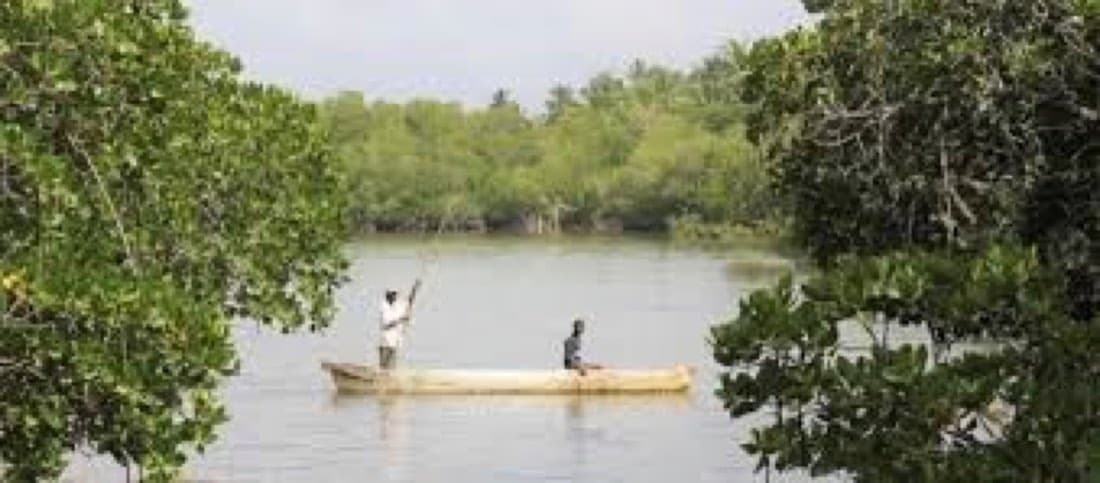
Historically, coastal communities in Kwale County have relied heavily on the ocean for sustenance and economic activity. Artisanal fishing has been the backbone of local livelihoods, complemented by small-scale fish trading, mangrove harvesting, and tourism-related activities such as dhow excursions and reef-based recreation.
Fishing villages such as Shimoni and Vanga have long functioned as centers of subsistence and semi-commercial fishing. Generations of fisher folk have depended on traditional knowledge, seasonal fishing patterns, and simple tools such as dugout canoes and hand lines. While this system sustained communities for decades, it was increasingly strained by population growth, environmental degradation, and changing climate patterns.
The sector faced persistent structural challenges, including outdated fishing equipment, limited access to modern markets, low productivity, and declining fish stocks due to overfishing and ecological stress. Climate change further exacerbated these issues through ocean warming, coral bleaching, and unpredictable weather conditions.
2.2 Early Government Interventions
Prior to the 2010 constitutional reforms and the introduction of devolution, the Blue Economy sector in Kwale remained largely underdeveloped. There was minimal policy focus on marine resources, limited infrastructure for fish handling and storage, and weak integration of coastal economies into national development planning.
Following devolution in 2013, county governments—including Kwale—gained increased responsibility for local economic development. This marked a turning point, as targeted investments began to flow into fisheries, coastal infrastructure, and community empowerment initiatives. These early interventions laid the groundwork for a more structured and strategic approach to Blue Economy development in the region.
3. Current Blue Economy Projects in Kwale
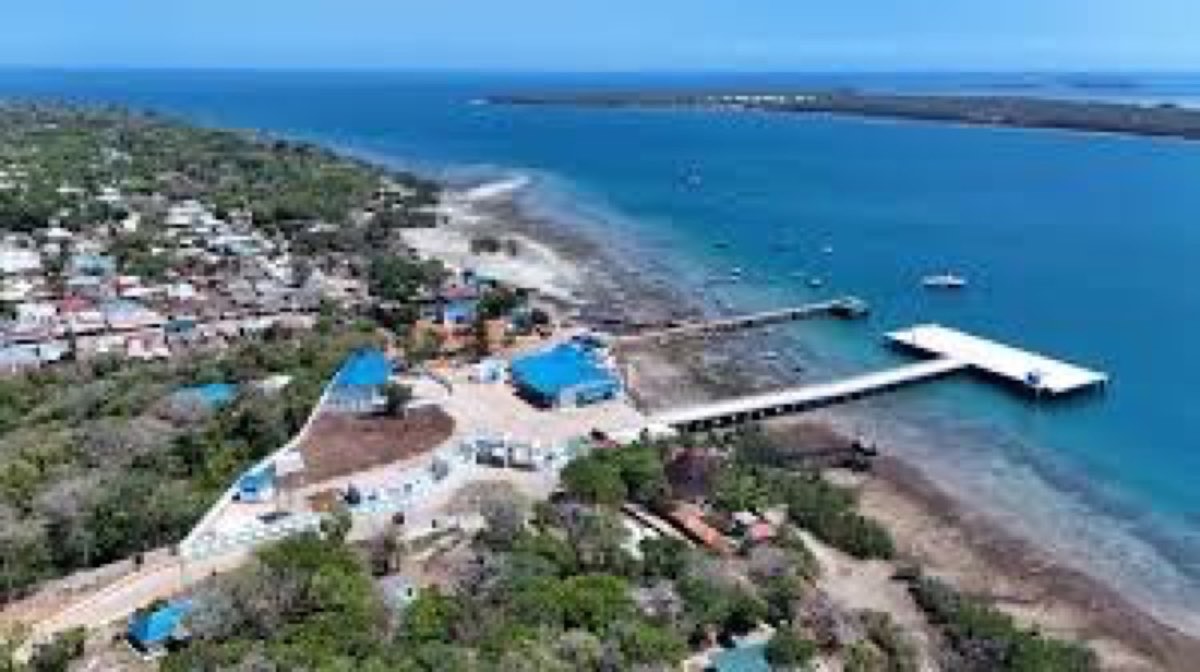
3.1 Shimoni Fish Port Project
One of the most transformative investments in Kwale’s Blue Economy is the Shimoni Fish Port Project, valued at approximately KES 2.6 billion. This flagship initiative is being implemented by the Kenya Ports Authority in collaboration with the State Department for Blue Economy and Fisheries.
The port is designed to handle an estimated 50,000 metric tonnes of fish annually, positioning it as a key node in Kenya’s marine value chain. Its development is expected to significantly reduce post-harvest losses, which have historically undermined fisherfolk incomes, while also enabling large-scale fish landing, processing, and export.
Beyond infrastructure, the project is anticipated to generate employment opportunities across logistics, cold storage, processing, and transportation. It also strengthens Kenya’s competitiveness in regional and international seafood markets.
3.2 Kenya Marine Fisheries Socio-Economic Development (KEMFSED) Project
The KEMFSED Project is a World Bank-supported initiative valued at approximately KES 10 billion, running from 2020 to 2025. It is one of the most comprehensive Blue Economy interventions in Kenya, targeting coastal counties including Kwale.
The project focuses on enhancing fisheries productivity and improving livelihoods through the provision of modern fishing vessels, gear, and equipment. It also supports the development of fish landing sites in areas such as Mwaepe, Vanga, and Gazi, alongside capacity-building programs for fisherfolk.
The outcomes have been notable, including increased fish production, improved household incomes, and strengthened resilience among coastal communities. The project also promotes sustainable fishing practices, ensuring long-term resource conservation.
3.3 National Marine Hatchery (Shimoni)
The National Marine Hatchery in Shimoni, implemented by the Kenya Marine and Fisheries Research Institute (KMFRI), represents a critical step toward sustainable aquaculture development.
The hatchery supports fish breeding and stock replenishment, helping to address declining fish populations in the wild. It also serves as a center for marine research and innovation, exploring new species for aquaculture and advancing scientific understanding of marine ecosystems.
Through these efforts, the hatchery contributes to food security, economic diversification, and environmental sustainability.
3.4 Fish Landing Sites Development
Kwale County has also seen significant investment in modern fish landing sites in locations such as Vanga, Mwaepe, Kibuyuni, and Gazi. Each site is valued at approximately KES 200 million and is equipped with improved handling, storage, and hygiene facilities.
These developments are critical in reducing spoilage, improving fish quality, and facilitating access to both local and export markets. They also enhance compliance with international sanitary standards, enabling Kenyan fish products to compete globally.
3.5 Fisheries Modernization Initiatives
Complementing infrastructure investments are ongoing efforts to modernize the fisheries sector. These include the distribution of motorized boats, GPS navigation systems, and fish-finding technologies, as well as cold storage and value addition equipment. Training programs for fisherfolk are also being implemented to improve technical skills, safety at sea, and business management capabilities. Together, these initiatives are transforming fisheries from subsistence activities into commercially viable enterprises.
3.6 The Go Blue Project: A Cross-Cutting Driver of Inclusive Blue Growth
The Go Blue Project, funded by the European Union and implemented in partnership with national and county governments, represents one of the most transformative and system-wide Blue Economy interventions currently active in Kwale County. Unlike single-sector initiatives, Go Blue operates as an integrated development framework that simultaneously addresses economic empowerment, environmental sustainability, and social inclusion.
Within Kwale, the project has been particularly impactful in bridging long-standing gaps between infrastructure development and community-level participation. While flagship investments such as the Shimoni Fish Port and KEMFSED have strengthened production capacity, Go Blue ensures that local communities—especially women, youth, and small-scale entrepreneurs—are able to meaningfully participate in and benefit from these expanding value chains.
A defining feature of the Go Blue Project is its strong emphasis on enterprise development and job creation. Through structured training programmes, mentorship, and access to finance, the project has supported the emergence of small and medium-sized enterprises in sectors such as sustainable aquaculture, eco-tourism, waste recycling, and marine-based services. This has contributed to the gradual formalization of the coastal economy, transforming informal activities into viable and scalable business ventures.
In the fisheries and aquaculture sector, Go Blue complements existing interventions by promoting improved fish handling techniques, value addition, and diversification into mariculture activities such as seaweed farming. In areas like Kibuyuni and Vanga, women-led groups engaged in seaweed farming have particularly benefited, gaining access to new markets and more stable income streams. These efforts not only enhance productivity but also reduce pressure on overexploited wild fish stocks.
Equally significant is the project’s role in advancing circular economy and environmental management systems. Coastal towns in Kwale, particularly high-tourism areas such as Diani, have faced increasing challenges related to plastic waste and marine pollution. Go Blue has supported community-based recycling enterprises, waste collection systems, and awareness campaigns that reduce pollution at source while creating green jobs. This integrated approach links environmental protection directly to livelihood generation, making sustainability economically viable.
The project also contributes to climate resilience and ecosystem restoration, particularly through mangrove conservation and rehabilitation initiatives. By supporting community-led mangrove restoration in areas such as Gazi Bay, Go Blue strengthens coastal protection, enhances biodiversity, and contributes to carbon sequestration efforts aligned with global climate goals.
Importantly, the Go Blue Project reinforces governance and institutional coordination within the Blue Economy space. By working across county departments, national agencies, and community organizations, it promotes a more cohesive and participatory approach to marine resource management. This alignment is critical in ensuring that Kwale’s Blue Economy development remains inclusive, sustainable, and resilient in the long term.
4. Key Stakeholders in the Blue Economy
The development of the Blue Economy in Kwale is driven by a diverse network of stakeholders. Government institutions such as the Ministry of Mining, Blue Economy and Maritime Affairs and the State Department for Blue Economy and Fisheries provide policy direction and oversight. At the county level, the Kwale County Government plays a central role in implementation and local coordination.
Research institutions such as the Kenya Marine and Fisheries Research Institute and the National Research Fund contribute scientific knowledge and innovation. Development partners, including the World Bank and the European Union through the Go Blue Programme, provide financial and technical support. The European Union, through the Go Blue Project, plays a particularly significant role in Kwale’s Blue Economy transformation. Beyond funding, the programme provides technical assistance, institutional capacity building, and direct support to community enterprises. Its multi-sectoral approach allows it to act as a bridge between large-scale infrastructure investments and grassroots economic participation, ensuring inclusivity across the Blue Economy value chain.
Key Stakeholders in Kwale County Blue Economy
| Stakeholder Category | Specific Entity / Stakeholder | Role in Blue Economy |
| National Government | State Department for Blue Economy and Fisheries | Policy, regulation, and strategic oversight. |
| Ministry of Mining, Blue Economy and Maritime Affairs | Infrastructure development (e.g., Kibuyuni Seaweed processing center). | |
| Kenya Marine Fisheries and Socioeconomic Development (KEMFSED) Project | Funding, capacity building, and strengthening livelihoods. | |
| Kenya Marine and Fisheries Research Institute (KMFRI) | Research, data collection, and sustainable management. | |
| Kenya Fisheries Service (KeFS) | Fisheries Co-Management, law enforcement, and compliance. | |
| Kenya Forest Service (KFS) | Conservation of mangroves and coastal ecosystems. | |
| National Environment and Management Authority (NEMA) | Environmental regulations and impact assessments. | |
| County Government | Kwale County Department of Agriculture, Livestock, and Fisheries | Local policy implementation and support for fisherfolk. |
| Kwale County Department of Environment and Natural Resources | Conservation, management of natural resources, and environmental planning. | |
| Kwale County Government Departments (Trade, Tourism) | Promotion of sustainable tourism and, local processing. | |
| Community & Local | Beach Management Units (BMUs) | Community-based fisheries management and regulation. |
| Fisherfolk and Local Fishing Communities | Primary users of fisheries and maritime resources. | |
| Women Groups (Seaweed and Mangrove farmers) | Specialized mariculture (seaweed) and coastal restoration. | |
| Youth Organizations | Youth empowerment in, maritime transport and ocean services. | |
| Private Sector | Local Fishery Processors & Exporters | Value addition, marketing, and market access. |
| Coastal Hotels and Tourism Operators | Marine tourism, water sports, and ecotourism. | |
| Shipping and Maritime Service Providers | Logistic services and, maritime transport. | |
| Partners & NGOs | European Union (EU) | Funder for blue economy initiatives (e.g., Go Blue Project). |
| World Bank | Funding large-scale infrastructure and sustainability projects. | |
| World Wide Fund for Nature (WWF) | Conservation and community empowerment. | |
| German Agency for International Cooperation (GIZ) | Technical and financial support for sustainable practices. | |
| Jumuiya ya Kaunti za Pwani (JKP) | Regional collaboration between coast counties. |
Join us on Part 2, as we take a look at the legal frameworks, benefits and challenges, as well as the future of the Blue Economy in the second county of the Jumuiya ya Kaunti za Pwani.