
FIRESIDE CHATS WITH THE LEGAL GAL
In my previous article in the series, ‘Fireside Chats with the Legal Gal’, I wrote on my first official job in the legal world in Arusha, Tanzania, and how it set the foundation to me becoming who I am today – https://mmsadvocates.co.ke/life-before-legal-gal-my-first-job/
Have a read, let us know what you think and what more you’d like to know about our work at MMS Advocates LLP and how we could be of service. Thank you.
Life and work in Arusha, Tanzania was filled with a whirlwind of constructive chaos, fun and lots of reading and paperwork. If it was not going to conferences, events and meetings across the continent and within the East African region, it was being at the African Court on Human and Peoples’ Rights or at the East African Court of Justice with my then boss, Mr. Donald Deya. Although I did not appear before the Honourable Judges of these 2 institutions, I got to witness first-hand what it meant to practice law on both a regional & international scale. This, in turn, also led me to learn how to relate to, and with, members of the regional bar associations, under the umbrella of the East Africa Law Society, currently being led by the charming and affable Mr. David Sigano.

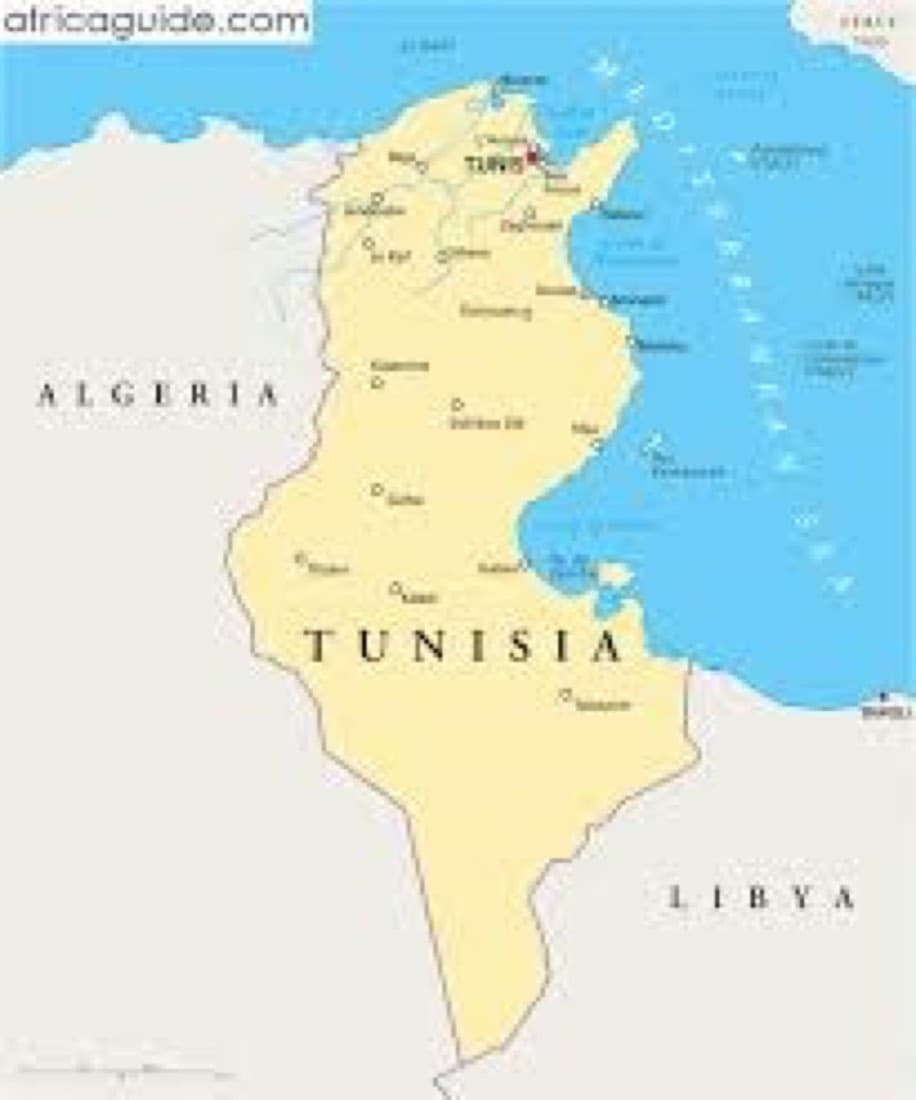
As I mentioned in my previous article, our work would lead me to travel to other countries on the continent. Of note in my travels were Benin, Ethiopia, Ghana, The Gambia, Togo, Tunisia and Uganda. These events and conferences would allow me to see what other legal professionals were doing in their countries, how their bar associations were equipped to ensure rule of law and good governance were advanced and promoted. And this is where it became even more interesting; more than I could possibly imagine.
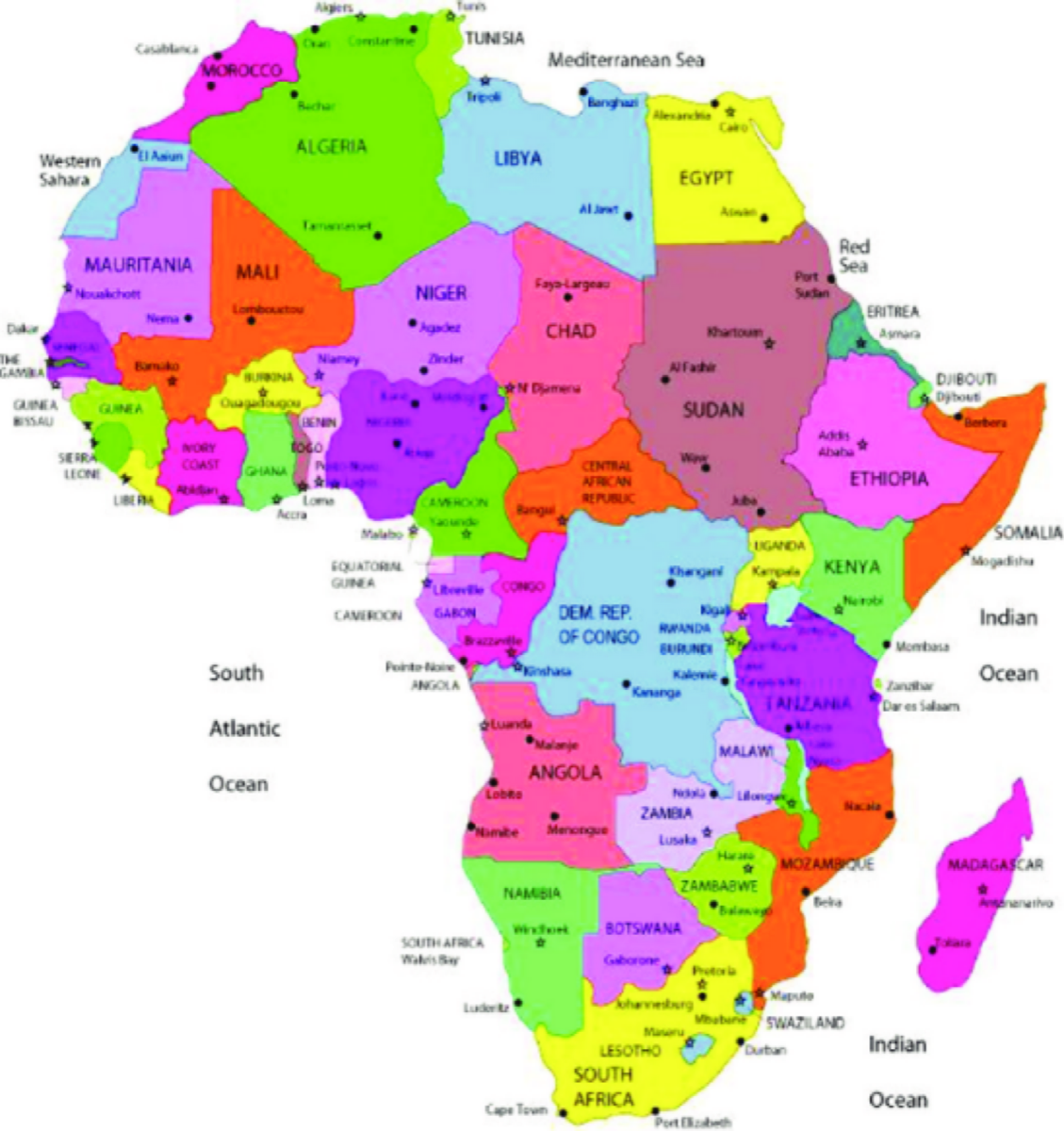
Picture this: you are 28 years, having never set foot in another country or region other than your own, and now you’re being told that you are about to cross the continent. Upwards. That was my first thought when I was told that the organisation was going to go to Tunisia for its annual conference. And yours truly, was going to go for the reconnaissance trip, ahead of the actual conference, that was to be held in September, months later from when I was due to travel.
The year was 2018, and though I had been going through some personal challenges and obstacles, I did not want to pass up the opportunity to experience North Africa in any way that I could. While I had read so much about the country growing up; and watched numerous movies & series where Tunisia was featured; to be in the actual place was astonishing. It felt like time had stood still for me for a few hours each day. It features the archaeological sites of Carthage dating back to the 9th century BC, as well as the Great Mosque of Kairouan. Known for its ancient architecture, souks, and blue coasts, it covers 163,610 km2 (63,170 sq mi), and has a population of 12.1 million. It contains the eastern end of the Atlas Mountains and the northern reaches of the Sahara desert; much of its remaining territory is arable land. Its 1,300 km (810 mi) of coastline includes the African conjunction of the western and eastern parts of the Mediterranean Basin. Tunisia is home to Africa’s northernmost point, Cape Angela.
Located on the northeastern coast, Tunis is the capital and largest city of the country, which is itself named after Tunis. The official language of Tunisia is Arabic. And that is where my Tunisian colleagues from the legal bar association came in. I could not speak Arabic, leave alone French (a language they speak fluently as well in Tunis). So everywhere I went, from Sidi Bou Said, to towns close to Hammamet, I had to have at least one person next to me handling the language barrier between myself and the people I met.
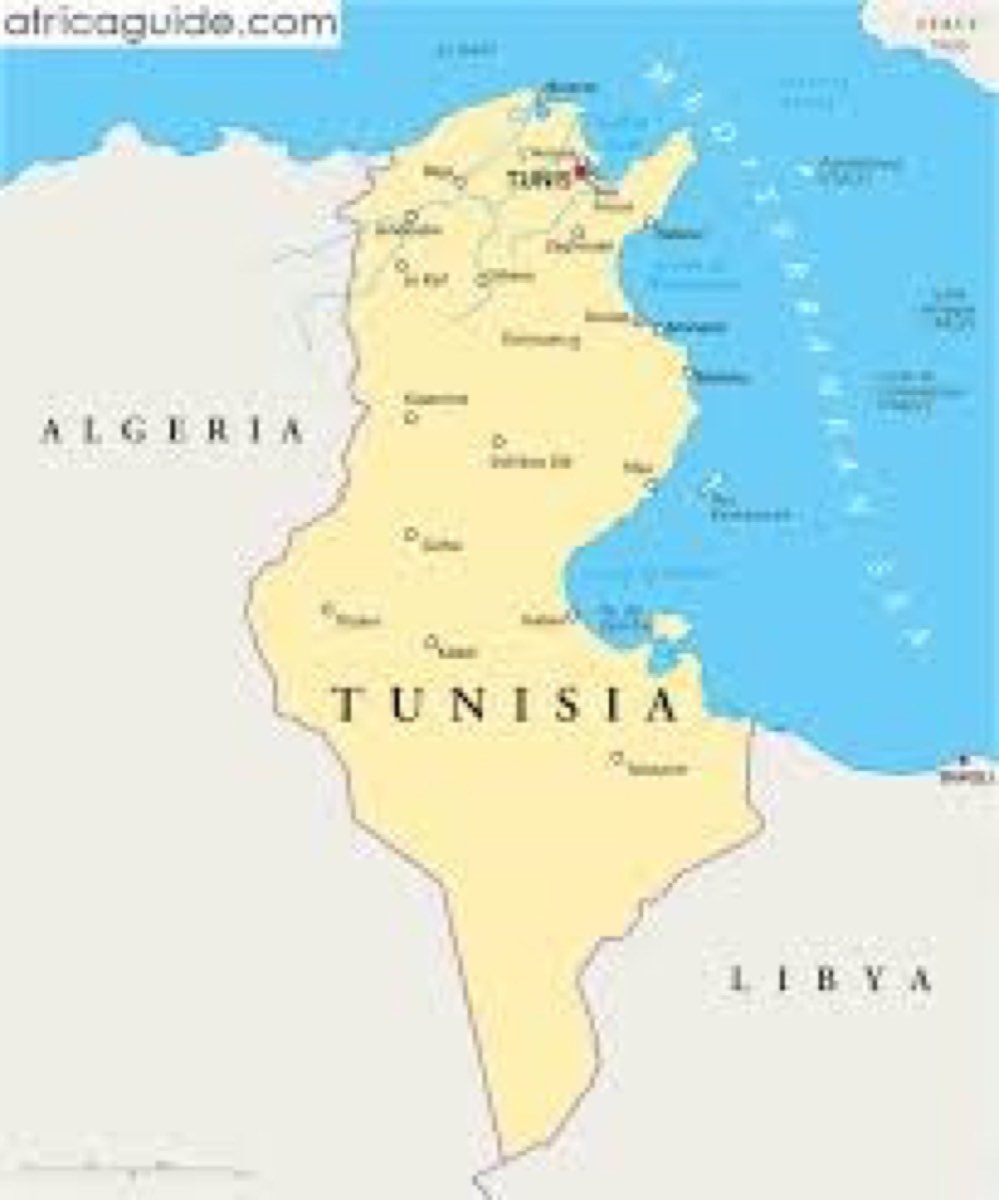
Although work is what had taken me to this amazing country, and its capital, Tunis, I got to experience so much of their day to day lives, and picked up some very important facts along the way. For instance, the main currency that you will find in this beautiful desert country is the Tunisian Dinar. The dinar is the only accepted tender. However, Visa and MasterCard are also widely used and accepted in major cities and at resorts, larger local stores, hotels and restaurants. Smaller shops and areas outside major cities will only take cash. Canadian and US dollars can be exchanged for dinar upon arrival in Tunisia at a currency exchange or local ATM, and dinars are not allowed to be removed from or purchased outside of Tunisia. Yes, they were very adamant that I remembered that little fact, so as not to get myself into trouble upon my exit.
As I have mentioned above, the language spoken in Tunisia is mainly Arabic, but most Tunisian people (especially in tourism-related jobs) have a really good understanding of English and French. The further you go outside of the main cities and towns, the more basic the knowledge of English may be, so it’s always encouraged to learn a few key Arabic phrases. “Hello” and “goodbye” are “aslema” and “bislema,” whereas “thank you” is “yaishek” and “yes” is “ay” (rhyming with “say”). Any attempt that you can make to speak a bit of Arabic will typically be welcomed by the local Tunisians. And once I got those few phrases down, my almost two week stay in the country became much smoother all around.
The largest airport in Tunisia is Tunis-Carthage International Airport, which is located in the capital city of Tunis on the northeast coast of the country. This is the main air transportation centre into and out of the country, serving over a million people each year out of its two terminals. There are smaller airports located in the beach destinations of Hammamet and Djerba as well. Getting there from Arusha was no walk in the park, and the entire trip from Kilimanjaro International Airport to Tunis-Carthage International Airport was an almost all-day affair. There are no direct flights from Kilimanjaro (JRO) to Tunis (TUN), requiring at least one stop, typically in hubs like Istanbul (IST) with Turkish Airlines, Paris (CDG) with Air France, or Doha (DOH) with Qatar Airways. Flights involve significant travel time (around 15-17+ hours) and are usually operated by carriers such as Turkish Airlines, Air France, and Qatar Airways, with potential connections through their hubs, so using flight comparison sites like Skyscanner or Expedia is best for current options. This was both a shock and surprise to me, as I had expected to only leave the plane once and get back on it, due to immigration rules. I found myself in Istanbul for almost 3 hours, which gave me time to also experience a bit of Turkey, albeit from the airport.
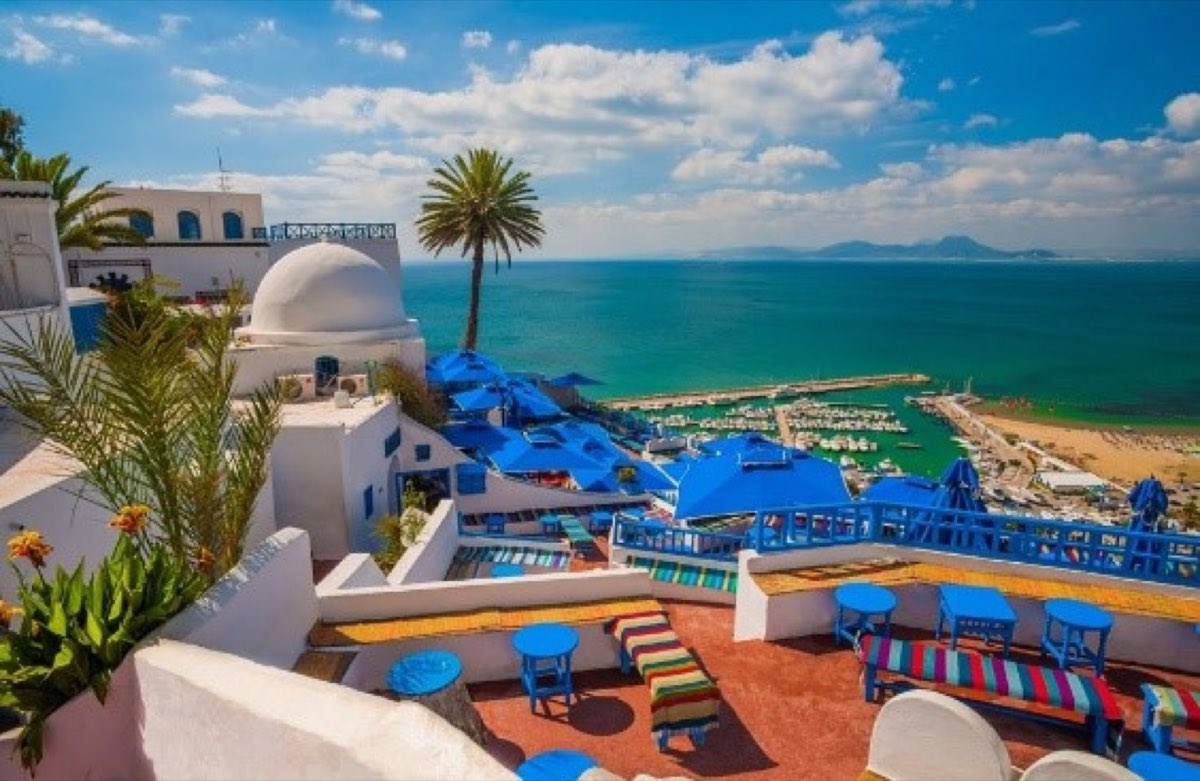
Being a woman from the Coastal part of Kenya, the weather in Tunisia did not actually surprise me. Temperatures would oscillate between an average of around 32°C/90°F to 40°C/104°F, especially because I had travelled in the hotter month of July. Once I was done with the meetings with the bar association representatives, or government officials who would ask if I’m related to Lupita Ny’ongo, I was free to take in the sights and sounds of the land. Medinas are historical city or town centres found across North Africa (and the island of Malta), and are typically circled by walls and filled with dizzying mazes of shops and monuments. Souks, meanwhile, are markets or bazaars often located within a medina, where you can find all kinds of local textiles and artistry, freshly cooked delicacies, and engaging Tunisian people. Early morning is a great time to explore both medinas and their souks, when temperatures are lower and stalls are not as crowded. The quaint and picturesque village of Sidi Bou Said distinctly reminded me of the Greek island of Santorini, that I’d seen on my TV screen or imagined in the books I read: only dotted with palm trees and with colourful Tunisian flair. The iconic white buildings with vivid blue doors, windows, and roofs call back to the sea and sky in the background, and has long been a celebrated town of artists.
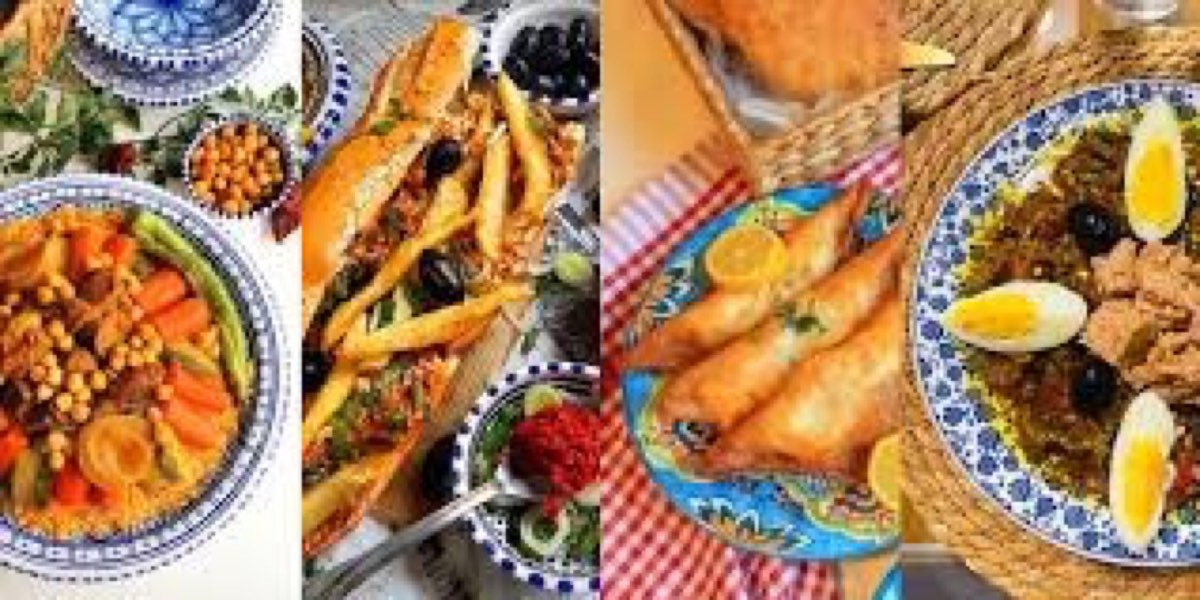
Of course, what would a trip that involved lawyers and legal professionals from across the continent be without food? My eating habits leave a lot to be desired, even among my peers; so you can imagine everyone’s surprise when I kept ordering food during meal times. The Tunisian cuisine is heavily based on olive oil, spices, tomatoes, seafood and meat, so other than the olive oil, I felt right at home (to some degree).
You can’t go anywhere in Tunisia without being offered couscous at a restaurant. It’s a traditional North African dish made by steaming small ball-shaped Semolina wheat. It looks like a type of rice and is paired with similar types of dishes as rice, but is lower in calories and carbs and higher in fibre. You will often find couscous paired with lamb or fish and vegetables. A popular stew, Kamounia, is made with beef or sometimes lamb and liver. Shakshuka (sometimes spelled “chakchouka”) is another variant of delicious and hearty stew that often includes eggs poached along with onions, garlic, and bell peppers. Harissa is not a meal but it is a very uniquely Tunisian specialty that you’ll find in or around most dishes. It’s a spicy sauce or paste made of chili peppers. Olive oil, salt, caraway seeds and garlic are also used to ramp up the delicious and spicy flavours. Finally, Brik is a thin pastry that’s filled with egg yolk, spices like coriander and parsley, and sometimes cheese or potatoes as well, that is deep fried until crispy and eaten with your hands. This flaky treat is best eaten hot and fresh with a sprinkle of lemon juice.
Another delightful Tunisian specialty is the fried sandwich roll called fricassee, filled with tuna, olive oil, potatoes, and harissa. Also, for sweets and drinks, there was no meal that would be truly over without serving of Makroudh, which is diamond-shaped pastries filled with dates or almonds, baklava, that is phyllo dough with nuts and honey or the famous Mint Tea, a staple beverage, often served with nuts. With all these before me, you can only imagine what an East African girl’s palate experienced in Tunisia.
By the time I was told that my time for preparing for the conference was up, I had made so many friends at The Tunisian Order of Lawyers (Arabic: الهيئة الوطنية للمحامين بتونس, French: Ordre National des Avocats de Tunisie) which is a non-profit Tunisian organization and the bar association of the country. All lawyers in Tunisia are members of the Order,which does not belong to any political party. The ambience they had put in place to allow me and my colleagues to enjoy their wonderful country, capital city and the way they work was truly respectable and inspiring. I could not have asked for a better country to begin my life and work across the borders of this blessed continent we are on. I do hope I get to go back someday soon and reconnect with the culture, food, music and most of all, with my colleagues in this noble profession and the amazing people of Tunisia.
Until next time. Legal Gal.
Kasichana Riziki Mumba is an Advocate of the High Court of Kenya, and an associate at MMS Advocates LLP. She is passionate about the rule of law, justice and creatively combining the world of artivism (art and activism), nature and ESG into her work.