
Fireside Chats with the Legal Gal – Mid-Year Review 2026: Part 1
A COUNTY SEEN THROUGH ITS PEOPLE
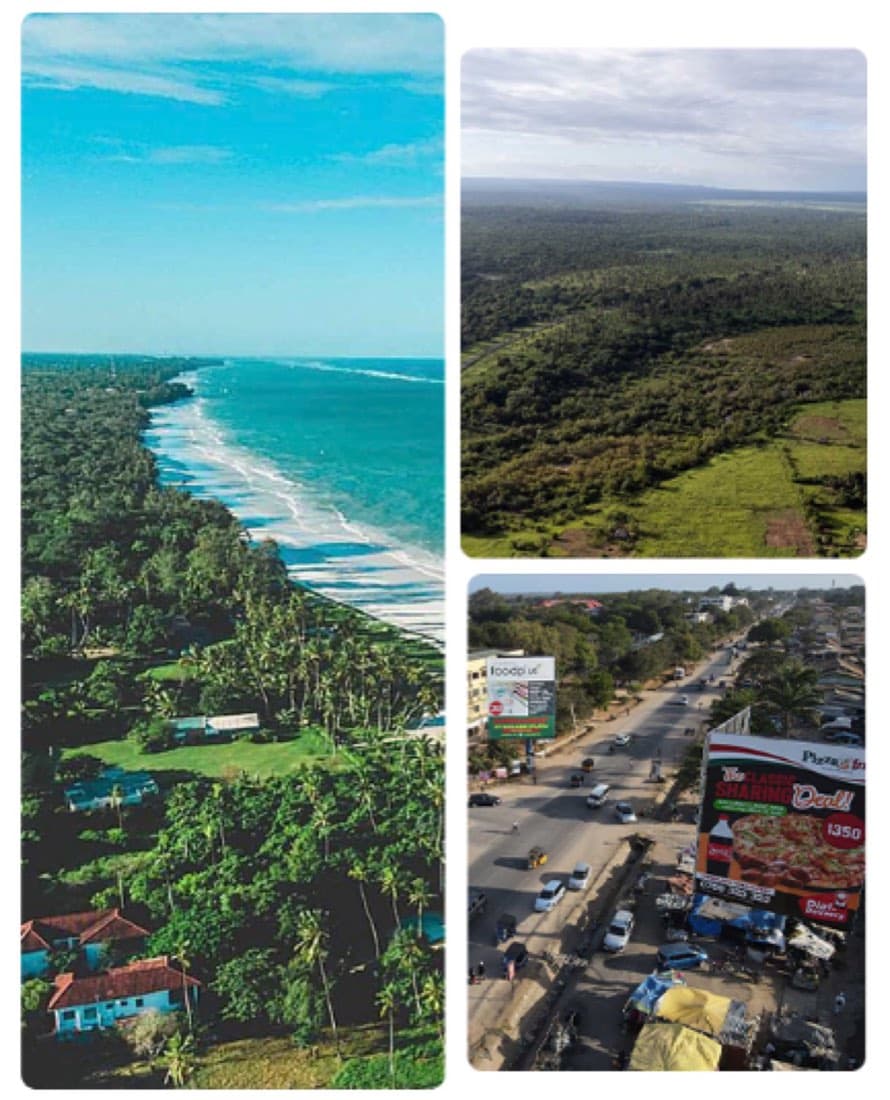
The first light of day arrives quietly in Kwale County. Long before tourists step onto the white sands of Diani. Long before offices open in Ukunda. Long before the day’s meetings, announcements and policy discussions begin.
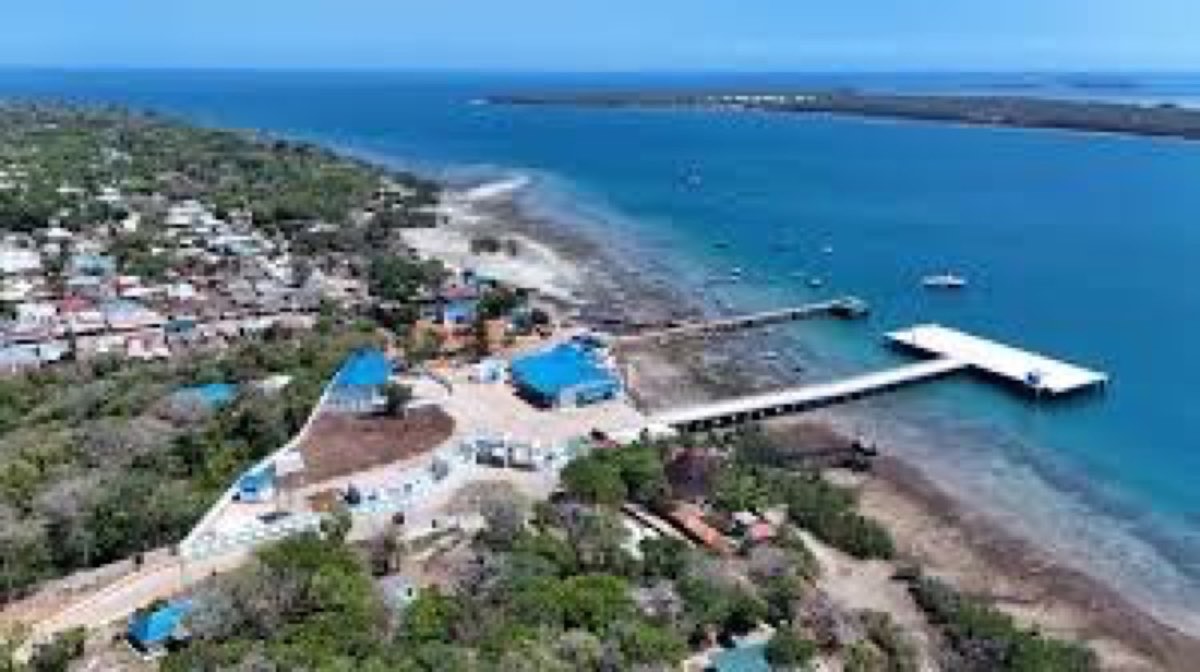
At four o’clock in the morning, fishermen in Shimoni are already preparing for the sea. Engines rumble to life in the darkness. Nets are checked beneath the glow of headlamps. Weather conditions are discussed. The ocean, as it has for generations, dictates the rhythm of the day.
Further south, near Vanga at Kenya’s border with Tanzania, another community is waking. Here, where mangrove forests intertwine with tidal creeks and centuries of maritime history linger in every shoreline settlement, families prepare for another day dependent upon the delicate balance between people, nature and commerce.
Several kilometres inland, motorcycles begin appearing along the roads that connect Kinango, Matuga and surrounding villages. Traders head toward market centres. Students begin the walk to school. Farmers look toward the horizon, searching for signs of rainfall in an era where weather patterns have become increasingly unpredictable. Hidden beyond the highways and settlements, ancient Kaya forests remain largely unchanged.
Within these sacred spaces, elders continue preserving customs, histories and traditions that have endured through colonial rule, independence and modernisation. The forests stand as a reminder that development is not only about what is built. It is also about what is protected. This is Kwale County in 2026. A county blessed with extraordinary natural beauty. A county increasingly attracting investors, development partners and policymakers. A county whose future is being shaped by conversations surrounding tourism, fisheries, conservation, climate resilience, infrastructure and regional trade.
Yet if there is one lesson emerging from communities across the county, it is that development is rarely judged by headlines. Residents often evaluate progress through simpler measures. Can young people find meaningful employment? Are fishing communities benefiting from new investments? Do schools have the resources they need? Are local voices being heard? Will future generations inherit both economic opportunity and cultural identity? These are the questions that dominate conversations in homes, classrooms, beaches and community halls throughout Kwale.
The first half of 2026 has produced no shortage of announcements. New blue economy initiatives continue attracting attention. Conservation projects have drawn international recognition. Tourism remains one of the county’s strongest economic pillars. Climate resilience and carbon finance discussions have become increasingly prominent. Yet behind every policy document lies a human story. Not through statistics alone. Not through political rhetoric. But through the voices, aspirations and realities of the people who call County 002 home.
THE GUARDIANS OF MEMORY
Why the Kaya Forests Matter More Than Ever
Visitors arriving in Kwale frequently speak first about the coastline. The beaches. The coral reefs. The ocean. Yet some of the county’s most important treasures lie inland, hidden beneath dense indigenous forest canopies.
The Kaya forests are among the most significant cultural landscapes in East Africa. Historically, they served as fortified settlements and spiritual centres for the Mijikenda people. Over time, they evolved into places of governance, identity and cultural continuity. Today, they remain living repositories of memory.
To describe a Kaya merely as a forest would be to misunderstand its significance entirely. A Kaya is history. A Kaya is governance. A Kaya is spirituality.
A Kaya is identity.
Across Kwale County, cultural custodians continue emphasising that development should never require communities to choose between prosperity and heritage.
Stakeholder viewpoints frequently highlight concerns surrounding land use changes, urban expansion and tourism-related developments that may affect culturally significant sites. These concerns are not expressions of opposition to development. Rather, they reflect a desire for development that respects history while embracing the future. This distinction is important. Far too often, public discourse frames conservation and economic growth as competing objectives. The reality is considerably more complex.
Communities increasingly recognise that cultural heritage itself represents an economic asset. Visitors are not drawn solely to beaches and resorts. They are increasingly seeking authentic cultural experiences, indigenous knowledge systems and opportunities to understand the stories that shaped local communities. The Kaya forests therefore occupy a unique position within Kwale’s development narrative.
They are simultaneously cultural landmarks, ecological assets, educational resources and potential drivers of sustainable tourism. For elders, however, their significance extends beyond economics. Many community leaders describe the forests as classrooms without walls. Places where younger generations learn values, traditions and histories that cannot easily be preserved through textbooks alone.
One frequently expressed stakeholder perspective is that development should enhance rather than erase local identity. The principle aligns closely with contemporary ESG thinking. Environmental sustainability receives considerable attention. Social sustainability is increasingly recognised.
Yet cultural sustainability remains equally important. Communities that feel disconnected from development initiatives are less likely to support them. Communities that see their identities reflected within development processes are more likely to become active participants. The lesson for developers, policymakers and investors is straightforward. Meaningful engagement begins with understanding place.
And understanding place begins with understanding people.