
The Implications To The ESG Framework In Kenya
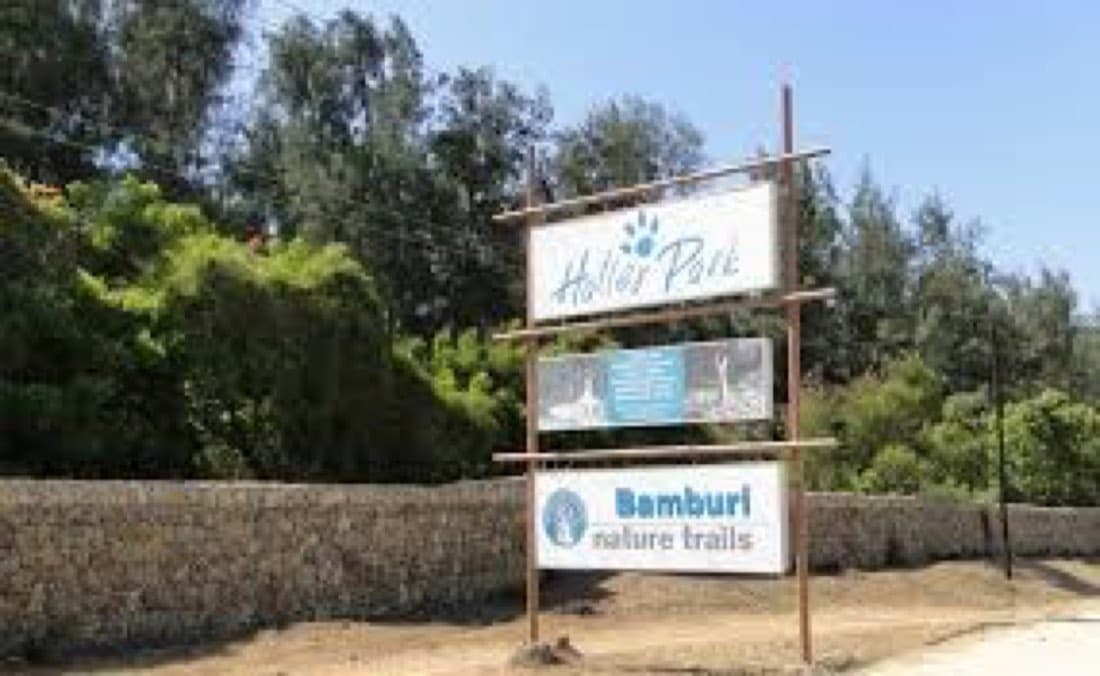
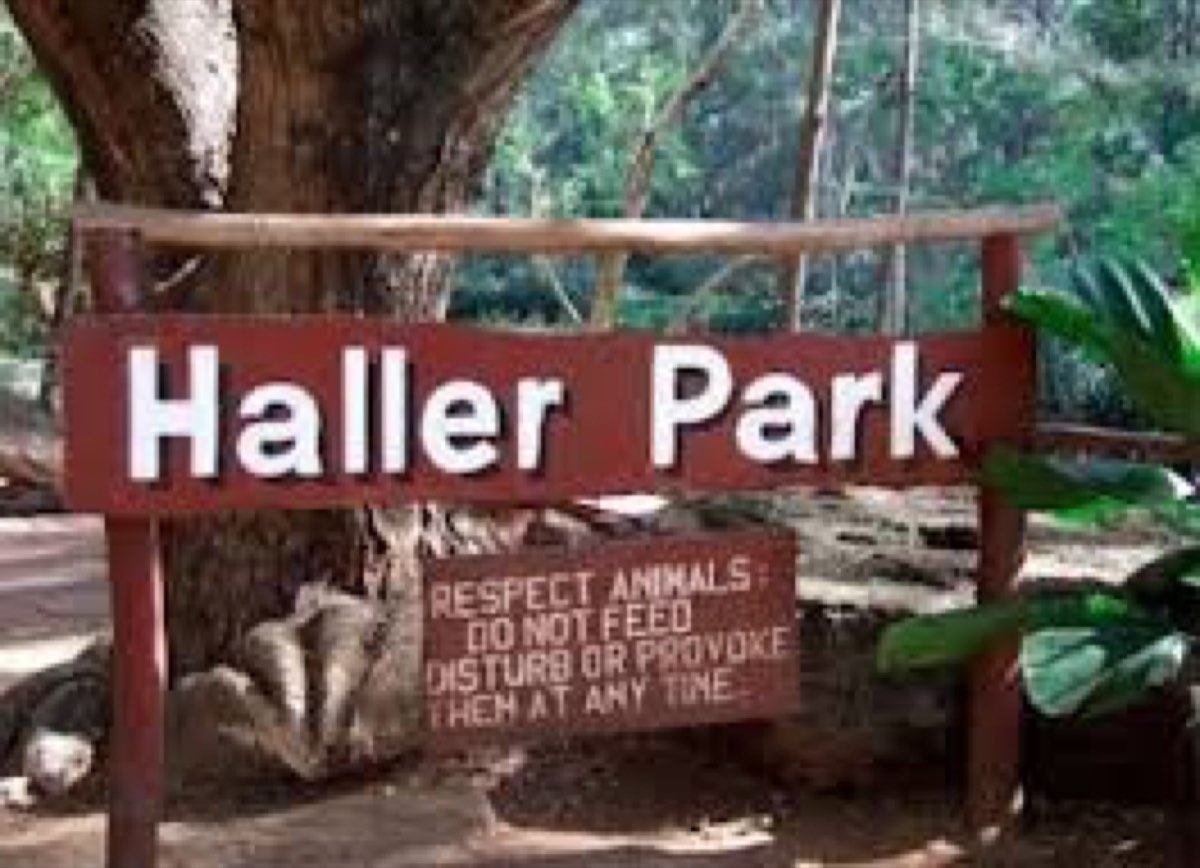
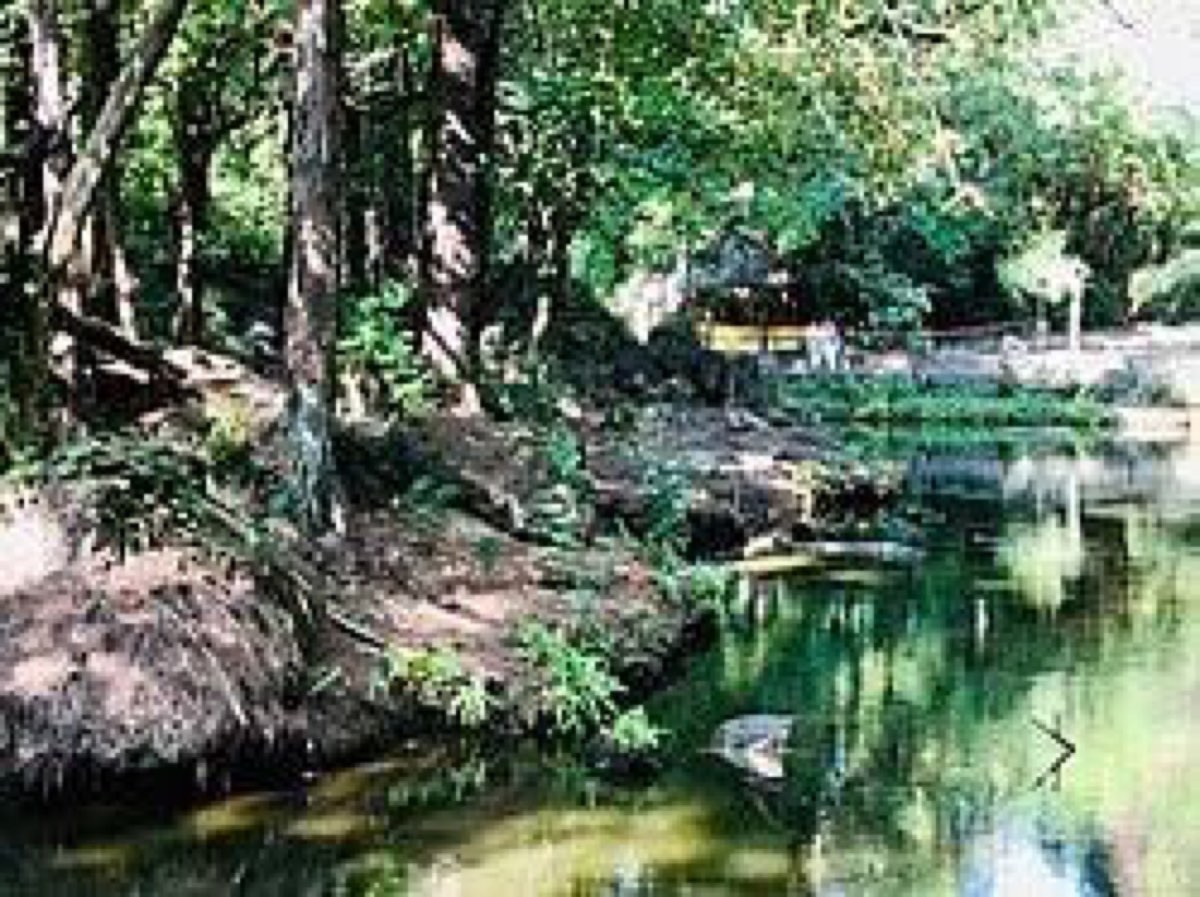
Haller Park in Kenya, a pioneering limestone quarry rehabilitation project by Bamburi Cement, currently faces risks from potential land subdivision and development pressures that threaten to undo decades of environmental restoration. Known as “The Lungs of Mombasa”, this revered site is now under significant and devastating threat to its existence.
Alleged reports on social media indicate that frontline plots in Haller Park are being subdivided and offered for sale to the public; representing a troubling departure from long-established land-use practices. Further, the ESG framework, in which the park has been a key player of, is now under threat.
Historically overcoming poor soil and brackish water, the site is a model for biodiversity and sustainable land management. It is important to emphasize that this land was previously mined and, as a result, consists of deep excavated terrain that is unsuitable for human settlement, given its proximity to the water table.
Recognizing these risks, Dr. René Haller and the original Bamburi team made a deliberate and commendable decision to rehabilitate the mined area rather than pursue short-term commercial gains. The new threats signify a need for stronger ESG (Environmental, Social, and Governance) commitments to protect biodiversity and ensure long-term, non-commercial land use.
Key Issues at Haller Park:
Threat to Conservation Legacy: Reports suggest that frontline plots within the park’s perimeter are being subdivided for potential sale or development, departing from the long-term conservation strategy. This alone is already undermining and undoing years of conservation efforts.
Environmental Fragility: The park is built on a rehabilitated quarry (18 meters deep) with specific ecological needs. Urbanization of this land risks destroying the delicate, man-made ecosystem, as well as threatening the flora and fauna of the park.
Historical Ecological Hurdles: Initial rehabilitation faced extreme challenges, including nutrient-deficient soil, high salinity, and lack of water. This in turn is going to take the efforts carried out over decades, back to square one.
What this means for ESG:
Environmental (E): The potential subdivision highlights the risk of losing biodiversity, as the area requires continuous, intensive care to maintain its ecological value.
Social (S): Haller Park provides essential green space and tourism, acting as a crucial community resource in urbanized Mombasa.
Governance (G): The situation tests the commitment of stakeholders to uphold sustainable land-use policies. It emphasizes the importance of long-term planning over short-term commercial gains, as originally championed by Dr. René Haller.
Legacy Preservation: The shift from a protected, rehabilitated area to potential development poses a reputational risk to the “champion of sustainability” image established by the original project.
Questions abound across the island, mainly from environmental activists & the community at large.
What is the end goal for those who seek to carry out such activities on such historical sites in Kenya, such as Haller Park? Do they recognize the implications of the works they embark on? And if so, what legal and regulatory structures and stop gaps are in place to ensure they do not continue, or do not further what they have already began?
Follow us at MMS Advocates LLP as we seek to find solutions and come up with legal advisories and opinions on current and developing stories in the ESG space in Kenya and the region.
Further reading:
2. https://juliahailes.com/rene-haller-an-inspirational-man-mar25/
Kasichana Riziki Mumba is an Advocate of the High Court of Kenya, and an associate at MMS Advocates LLP. She is passionate about the rule of law, justice and creatively combining the world of artivism (art and activism), nature and ESG into her work.