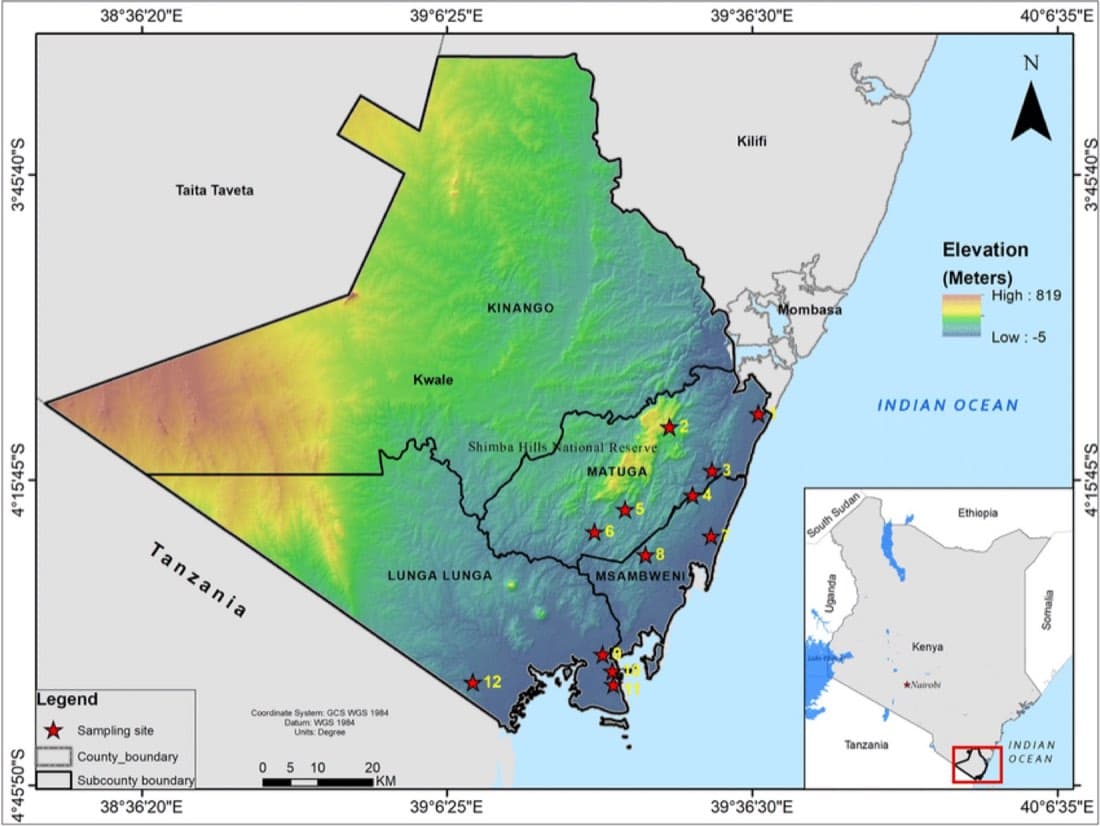


IMPACT ON THE LEGAL PROFESSIONALS IN THE COASTAL REGION
PART 1(B): KWALE COUNTY
This is an ongoing mini-series on the effects of land law in Kenya, looking particularly at the Coastal region. Part 1 (A) is linked here: https://mmsadvocates.co.ke/land-law-in-kenya-effects-obligations-rights/

Land law in Kwale County is governed by a combination of national statutes and local county-specific regulations, primarily focusing on property ownership, land use, and taxation. These include Kenya’s national Land Registration Act (2012), the Land Act (2012), and local regulations like the Kwale County Rating Act (2020), which imposes rates on land and buildings. Key aspects include freehold and leasehold tenures, regulation of community land, and the Environment and Land Court, which handles disputes.
| Place Name | Type | Key Information |
| Kwale Land Registry | Government Office | Primary location for land transactions and registration in the region. |
| Kwale District Cultural Centre | Community Hub | Often hosts official meetings and cultural activities related to community land. |
| Plan International, Kwale | NGO | Involved in child rights and humanitarian projects that may intersect with land rights advocacy. |
Land law in Kwale County has a profound impact on legal practice; driven by high-stakes litigation, historical injustices, and rapid development in the Coast region. Lawyers in the area, such as MMS Advocates, are heavily involved in navigating complex disputes; with a focus on resolving issues around customary land rights, fraudulent titling, and overlapping claims, particularly in rapidly developing areas like Ukunda, Diani, and Kwale town. Some of the emerging challenges as explained to the author by some of her peers in Kwale Town include:
- Land Use Conflicts: The pressure on land for mining, urban growth, and agriculture will likely increase conflicts, necessitating strong, transparent enforcement of land laws.
- Intergenerational Injustices: Concerns persist regarding the inclusion of women and youth in land management decisions and the long-term, sustainable management of land by new titleholders.
- Legislative Changes: Proposed amendments to the National Land Commission (NLC) powers could lead to changes in how land is acquired or compensated.
Impact of Land Law and its effects on Legal Professionals’ Operations in Kwale:
As much as the above points spell out the issues that advocates, legal professionals and all personnel working around and within land face, these are the condensed challenges MMS Advocates and other law firms in Kwale, have faced (and are overcoming) so far:
Conveyancing and Due Diligence: The prevalence of fraudulent titles demands rigorous, in-depth verification of ownership and physical site visits. This requires rigorous verification of “green cards” and official searches at the Kwale Land Registry, which has recently faced criticism for corruption and poor service delivery.
Litigation and Disputes: Lawyers are heavily involved in the Environment and Land Court, dealing with boundary disputes, encroachment, and eviction matters.
Advisory Roles: Legal professionals are essential in guiding clients through the conversion of customary land rights to formal titles and navigating Land Control Board processes.
Alternative Dispute Resolution (ADR): Given the high costs of litigation, many lawyers act as mediators to resolve disputes over ancestral or inherited land.
Increased Litigation Workload: Lawyers face a massive backlog of cases due to illegal land grabbing, forged documents (especially in prime areas like Diani), and disputes over ancestral land.
Administrative Hurdles: Lawyers must navigate a “tedious” process at the registry, where officials have been accused of making “outrageous demands” or frustrating the processing of legitimate titles.
Advisory on Local Levies: Legal counsel must guide clients through local compliance, such as paying annual property rates (with 2% monthly penalties for late payments) and adhering to the Kwale County Spatial Plan.
Judicial Review Focus: Lawyers frequently use judicial review to challenge decisions by the Land Registrar, such as the arbitrary cancellation or revocation of titles.
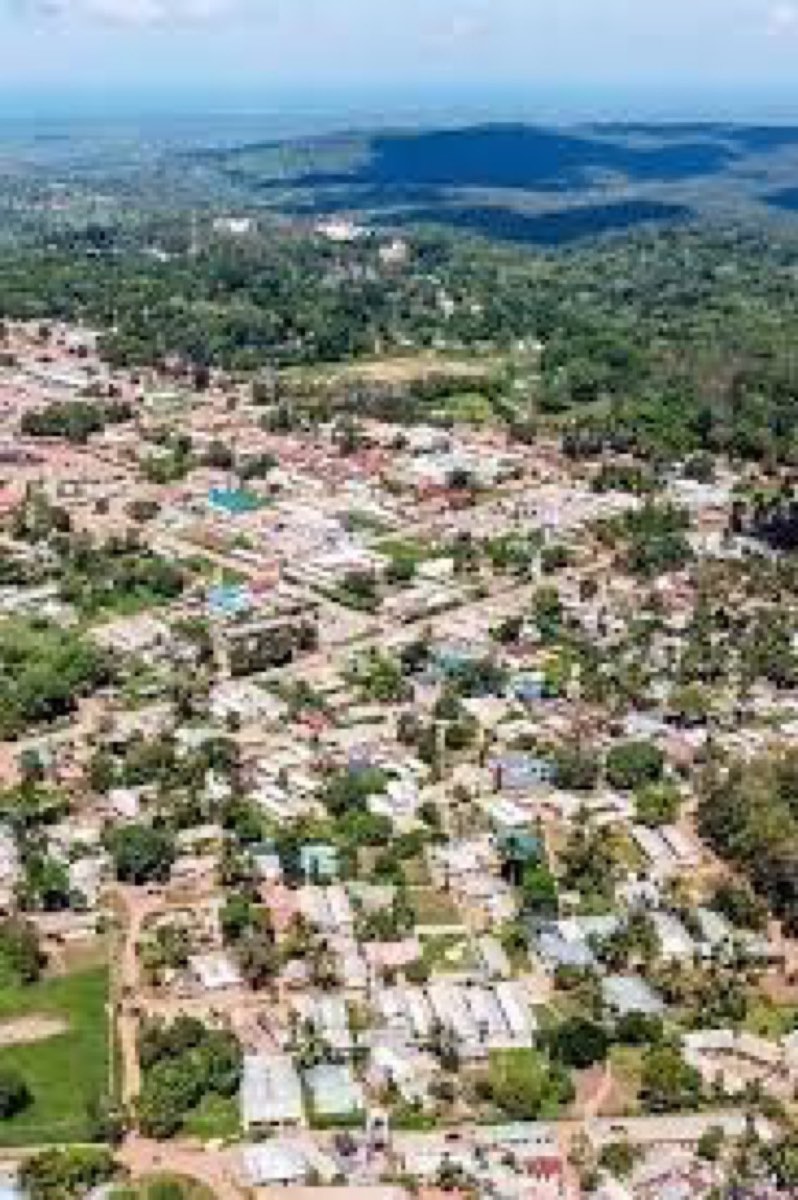
Future Outlook on Land Law in Kwale County & Beyond:
The future outlook on the impact of land law in Kwale County is focused on transitioning from historical land insecurity to a structured, digitized, and investment-friendly environment, largely driven by the Kwale County Spatial Plan (2022-2032) and recent national land legislative reforms. Key impacts will center on addressing historical injustices through titling, managing the post-mining economy, and balancing community land rights with investment.
The key areas I did my research on and condensed include:
Enhanced Tenure Security and Titling:
Mass Titling Initiatives: The government is actively issuing title deeds to address historical injustices, marginalization, and land disputes in areas like Kaslak, Mbela Farm, and Tiwi. This is expected to continue through 2026, boosting confidence in land ownership.
Reduced Land Disputes: The digitization of land records and the formalization of land ownership are expected to significantly reduce, though not eliminate, land-grabbing cases and disputes, which have been major constraints to development.
Shift from Mining to Post-Mining Land Use:
Rehabilitation Focus: Following the depletion of titanium reserves by Base Titanium, the land law focus is shifting toward rehabilitation and sustainable post-mining land use.
Royalty Management: New regulations will ensure that 10% of mineral royalties are directly channeled to local communities, with 20% to the county government, fostering a more equitable distribution of natural resource wealth.
Community Land Registration and Protection:
Implementation of Community Land Act 2016: A major push is underway to register community lands (such as in Chengoni, Mazola, Mtaa, and Banga) to protect them from illegal acquisition.
Challenges: Despite the legal framework, challenges exist regarding the slow pace of adjudication, the capacity of community land management committees, and the risk of land being reclassified as public or private without proper consultation.
Development and Investment Impacts:
Spatial Planning: The Kwale County Spatial Plan (2022-2032) aims to guide land use for agriculture, tourism, and industrialization.
Reclassification Risks: There is concern that the reclassification of rural areas into municipalities could change land status and tax obligations, potentially disadvantaging local residents.
Investment Boost: With secured titles, the county expects increased investments in agro-processing (mangoes, coconuts, cashews) and the blue economy.
Summary Table of Future Outlook:
| Focus Area | Expected Impact |
| Land Ownership | Increased individual and community titles, reducing squatter issues. |
| Mining Impact | Shift to land rehabilitation and community royalty benefits. |
| Development | Improved spatial planning and increased investment. |
| Conflicts | Improved resolution, but new disputes over urban boundaries. |
In conclusion, the next five or so years will be critical for Kwale County in transforming its land tenure system; from a source of conflict into a foundation for economic growth; provided that the implementation & execution of land policies remains transparent and participatory. MMS Advocates hopes to be here through this process and transformation.

Further reading: