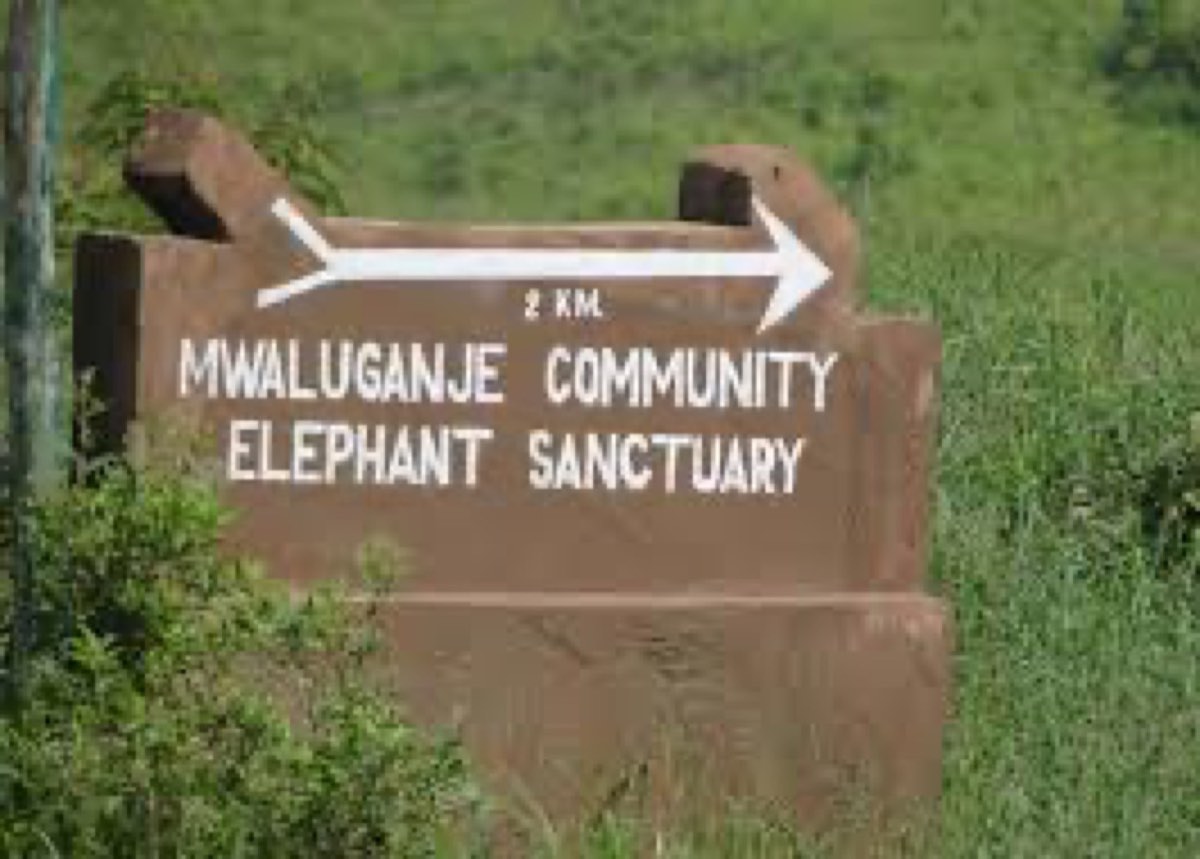

MWALUGANJE ELEPHANT SANCTUARY
A wildlife conservancy is land managed by an individual landowner, a body or corporate, group of owners or a community for purposes of wildlife conservation and other compatible land uses to better livelihoods. With sixty-five percent (65%) of Kenya’s wildlife live in community and private lands, conservancies provide connected landscapes that complement national parks and reserves while enabling communities to benefit from wildlife management and in turn be at the heart of championing conservation efforts.
Conservancies are overseen by the national body that governs all conservancies and ranches in Kenya, the Kenya Wildlife Conservancies Association. As the sole national conservancies association in the country, the Kenya Wildlife Conservancies Association (KWCA) brings together conservancies across Kenya to enhance sharing of best practices, harmonize standards and more so, ensure that the voice of this vital group that is at the heart of sustainable wildlife conservation in the country is firm, united and audible; not just at the grassroots but at the county and national levels.
Communities are the dominant decision makers and enforcers. They democratically elect a representative board from the community. Government agencies such as the Kenya Wildlife Service (KWS) and Kenya Forest Service (KFS), conservation and tourism partners are represented in some of the boards as Ex-officio board members. Community conservancies are conservancies established by a community on community land. They form 51% of KWCA’s membership.
Sub-committees on finance, grazing and tourism may be established to drive strategic plans and oversight. The Board is elected during the conservancy’s Annual General Meetings (AGMs). They determine benefit-sharing mechanisms, drive strategic development of the conservancy and oversee operational management.
MWALUGANJE ELEPHANT SANCTUARY (MES):
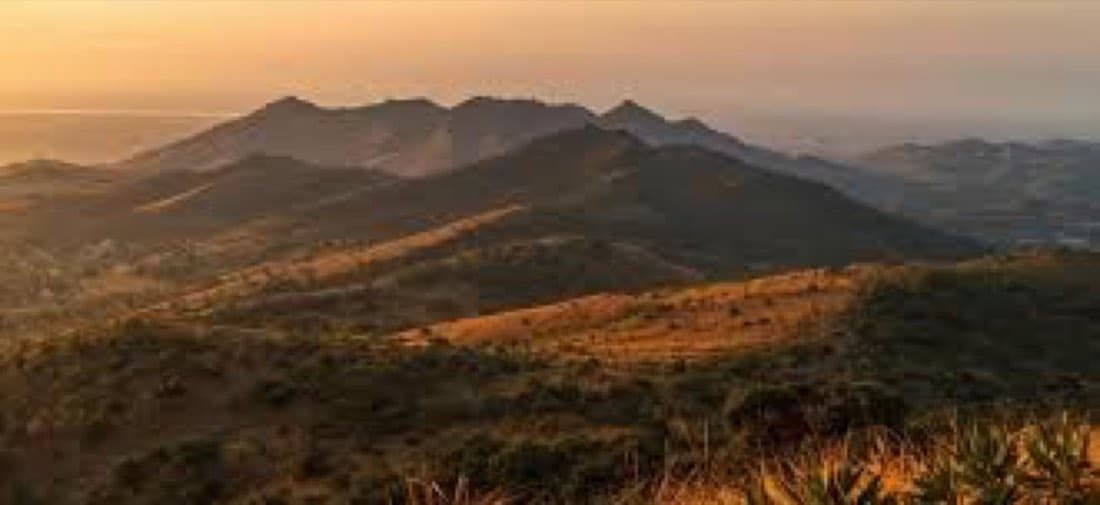
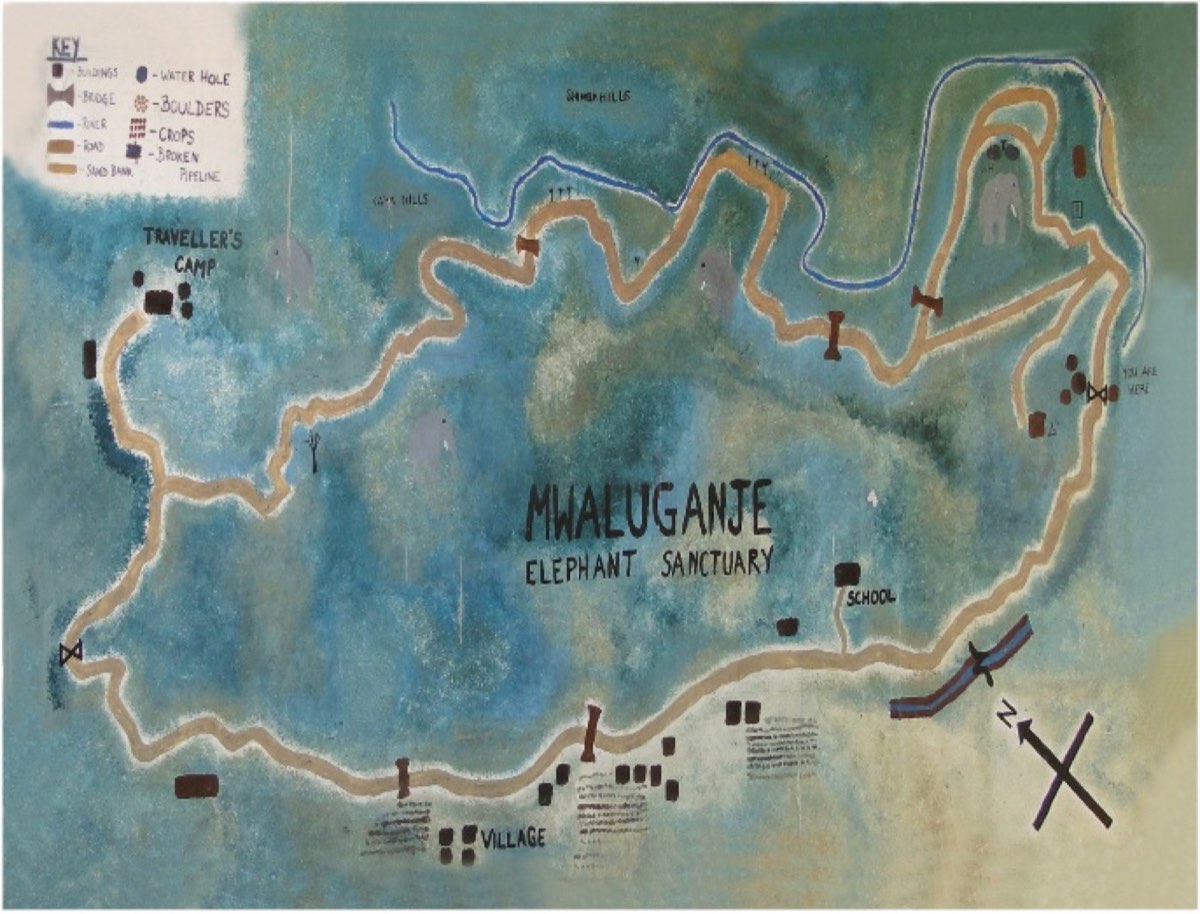
The Mwaluganje Elephant Sanctuary (MES) is a community-owned conservation area with a size of close to 40 km², originally designed for elephants and Encephalartos cycads in Kwale County, Kenya. The area is part of an old elephant migratory route between the southern coast and the Tsavo National Parks. It is located 45 km southwest of Mombasa, below Golini Ridge on both sides of the Manolo River. To the south it borders on the Shimba Hills National Reserve, to the north it is part of the Mwaluganje Forest Reserve. The sanctuary was formed in the early 1990s as a cooperative project between the people of the surrounding Mwaluganje community, United States Agency for International Development, the Born Free Foundation and the Eden Wildlife Trust.
MES is currently registered in Kenya as a company limited by guarantee (CLG) under the Companies Act, 2015. The objectives of the sanctuary include but are not limited to:
- To reduce human-elephant conflict within the area.
- To conserve and protect wildlife.
- To ensure that communities and individuals who own land within the Mwaluganje-Shimba Hills National Reserve corridor can benefit from wildlife conservation and Eco-Tourism development.
MES is an early example of community-based-conservation efforts in Kenya, which are very recent trends in eco-tourism and conservation management.
In this community-based program, the local people have stopped farming and keeping livestock in the area; instead they leased their privately owned property to a community-based trust. The trust manages the sanctuary for the preservation of the crucial ecosystem. In addition, it is a valuable source of revenue for the local people, through monies generated by eco-tourism and gate entrance fees. Some of the revenue generating activities include creating paper from elephant dung, bee keeping (honey products), butterfly breeding and biofuel. Other community based activities are now being seen to be coming back, such as hosting of cultural festivals within the locality.
MES’s governance historically combines elected community representatives with ex-officio members from government agencies, including the Kenya Wildlife Service, the Kenya Forest Service and the County Council. This hybrid structure reflects the participatory approach envisaged by the Wildlife Conservation and Management Act (WCMA) 2013, which encourages collaboration between communities and state agencies.
The board exercises collective authority to manage the Conservancy’s affairs, but major decisions such as amendments to the constitution, asset disposal, or changes to objectives are reserved for members in the annual general meeting. Members have rights to inspect company records, receive annual accounts, and question the board at annual general meetings.
The Companies Act requires timely filing of returns and circulation of financial statements, with penalties for non-compliance. Transparency is therefore a statutory obligation, supported by the binding force of the Conservancy’s constitution, which regulates voting, meetings, and membership. Members have voting rights, may requisition meetings, and can inspect statutory registers. Their obligations include paying the agreed guarantee amount and complying with resolutions of the company. Membership is tied to land ownership, and benefits are distributed proportionally to land contributed.
The WCMA 2013 provides the legal framework for community conservancies. Sections 39 and 40 recognize community wildlife associations, requiring them to register and adopt constitutions with governance structures. As a CLG with a formal constitution (which is currently being amended), MES qualifies for registration as a community wildlife association, by way of a trust, and must maintain an approved wildlife management plan under section 44.
The Act also emphasizes benefit-sharing. Section 70 entitles communities to enjoy reasonable benefits from conservation activities. MES complies by distributing revenue annually to member landowners based on land size contributed. This aligns with the constitutional principle of equitable benefit sharing and strengthens community participation in conservation. The Conservancy is based on individually owned freehold land. Membership and revenue entitlements are tied to land rights, and only landowners with registered title qualify. Benefits are calculated per acre contributed, and payments are made annually.
This arrangement is supported by the Land Act, 2012, which allows leasing or licensing of private land for conservation purposes. Subleasing provisions under sections 63–66 protect such arrangements. However, some community members without formal titles have been excluded from membership, highlighting the need for land registration support or conversion to community land under the Community Land Act, 2016. The Community Land Act also provides safeguards, including community assemblies for decision-making and the requirement of a two-thirds vote for land transactions. While MES currently relies on individual titles, adopting some of these safeguards mentioned above, would strengthen inclusivity and prevent disenfranchisement. This would also encourage more investment; both monetary or otherwise; into the Sanctuary.
Kenyan company law leaves dispute resolution to be defined by the company’s constitution. MES may adopt internal procedures such as mediation or arbitration clauses, enforceable under the Arbitration Act, Cap 49. Where disputes involve land, jurisdiction may lie with the Environment and Land Court. (To avoid costly litigation, the Conservancy should prioritize internal grievance committees, mediation, and, where necessary, binding arbitration. These mechanisms align with Kenya’s constitutional and statutory preference for alternative dispute resolution.)
Over time, MES has faced numerous challenges in terms of its operations and day to day activities. A multitude of problems led to a gradual standstill of tourism activities in the two last decades: beginning with a reduced attractiveness due to the translocation of 150 elephants to Tsavo East to reduce human-wildlife conflicts (2006), along with poaching, illegal logging and the closure of the Traveller’s Camp inside the area (2014). The road network fell into decay, and since the Covid-19 pandemic, the main gate has de facto remained closed.
The sanctuary has survived mainly thanks to the commitment of the Sheldrick Wildlife Trust, which continues to compensate the landowners despite the loss of visitor income; the trust also re-fenced the entire ecosystem (Mwaluganje Elephant Sanctuary and Shimba Hills National Reserve) in 2023/24. Since 2024, the Mwaluganje management has been trying to make visiting the Chitsanze Waterfall near the Golini gate attractive, and to slowly revitalise Mwaluganje as a whole from there.
Since early 2025, Kenya Wildlife Service is translocating herbivores (mainly zebras) from other parks to the adjacent Shimba Hills National Reserve; as there is no fence between the two sanctuaries, this will benefit Mwaluganje in the long run, too.
Some of the other notable issues that the Sanctuary is facing include, but are not limited to:
- Land Title Gaps: Some households lack formal title and are excluded from benefits. Securing or integrating such land under community tenure would align with the Community Land Act.
- Membership Definition: The current model excludes non-landholding community members. Articles of association are going to clarify eligibility and consider limited inclusion of landless households.
- Financial Oversight: Regular independent audits are to be adopted even if not legally required, to enhance transparency and donor confidence.
- Board Representation: Diversity measures, including representation of women and youth, are to be incorporated in compliance with Article 27 of the Constitution.
- Dispute Processes: A formal internal dispute mechanism is to be codified, combining mediation and arbitration.
- Partnerships and Investments: Future agreements, such as eco-tourism leases, are to be legally vetted under the Land Act to safeguard community interests.
In conclusion, at MMS Advocates, one of the key aspects of our work involves alternative dispute resolution and ESG audits, which we shall be providing to MES; when instructed; as well as being here to provide the legal expertise, strategic advice, and trusted guidance that will transform the Mwaluganje Elephant Sanctuary’s vision into enduring success for generations to come.