

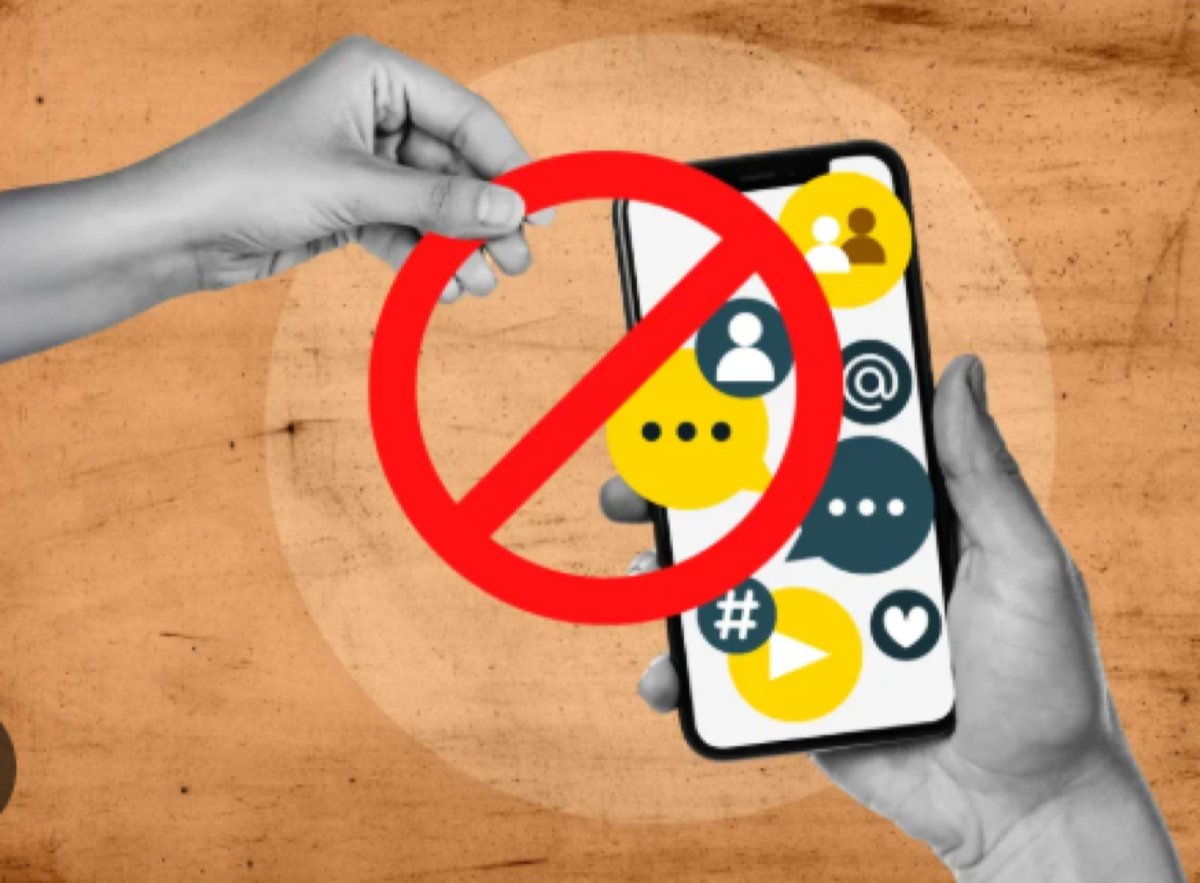
A new petition before Parliament filed by citizen Erickson Odhiambo has pushed Kenya right into a massive global debate: should teenagers be banned from social media? The petition pushes for a Child Online Protection and Digital Responsibility Act, which proposes blocking children under 16 from independently creating social media accounts and making age verification systems and parental consent mandatory. While the legislative intent protecting minors from cyberbullying, addictive platform designs, and predatory behavior is clear, the draft faces deep constitutional and statutory hurdles.
The Statutory Shield for Minor Protection
The legal justification for the restriction draws directly from established child protection frameworks in Kenya. Article 53(1)(d) of the Constitution guarantees every child the right to be protected from abuse, neglect, and all forms of violence or harmful practices, while the Children Act, 2022, codifies the principle of the “best interests of the child” as the primary consideration in all actions concerning minors.
Proponents argue that because tech platforms are inherently addictive, the state has a constitutional obligation to intervene where parental oversight falls short. Furthermore, the law already criminalizes cyberbullying under Section 24 of the Computer Misuse and Cybercrimes Act, 2018, meaning a blanket age limit is being framed simply as a preventive measure to stop these offenses before they happen.
The Constitutional Friction: Privacy vs. State Protection
However, a severe constitutional conflict arises when you look at the actual mechanics of enforcement. To restrict an under-16 user from creating an account, social media platforms would have to implement mandatory age verification. This creates immediate friction with the Data Protection Act, 2019, where Section 33 strictly requires parental consent before processing a minor’s personal data.
To verify age accurately, platforms would likely have to demand national IDs, birth certificates, or biometric facial scans from users. Forcing families to surrender highly sensitive government identification to multinational tech corporations just to “prove their age” arguably infringes on the right to privacy under Article 31 of the Constitution. Additionally, a total restriction conflicts with the rights to freedom of expression and access to information under Articles 33 and 35, especially since older minors frequently utilize social media for digital literacy, educational collaboration, and youth entrepreneurship.
The Practical Realities of Enforcement
From a practical perspective, tech industry giants consistently argue that broad age exclusions tend to backfire. When you completely lock the doors to mainstream, regulated platforms that feature built-in parental tracking tools, you do not stop teenagers from accessing the internet.
Instead, you risk driving them toward unmonitored, anonymous third-party applications and Virtual Private Networks (VPNs). In these digital spaces, state regulation is entirely impossible, and the safety risks to minors are significantly higher. This mirrors the arguments heard in Parliament during the recent TikTok debates, where lawmakers ultimately noted that outright prohibitions are largely untenable in a growing digital economy.
Evaluating the Proportionality Test
Ultimately, any legislative framework targeting a blanket digital ban must survive the strict limitations of rights test under Article 24 of the Constitution. A law that limits fundamental freedoms like access to information must prove that it is the least restrictive means available to achieve its objective.
The core legal challenge moving forward will be developing a framework that enforces child safety without overreaching into mass biometric surveillance or digital disenfranchisement. For tech companies and legal practitioners alike, the immediate priority will not be implementing a total shutout of minors, but rather designing rigorous “safety-by-design” compliance models that protect young users without violating the broader constitutional guarantees of privacy and expression.