
In the West, ESG is often treated like a high-end suit, pristine, expensive, and required for the gala. But in Africa? ESG is becoming the boots we wear to walk through the mud. It’s gritty. It’s practical. And in 2026, it’s finally becoming the standard by which we measure who is actually in the game and who is just shouting from the sidelines.
We used to think we could hide behind the “Developing Nation” tag. We thought the world wouldn’t mind a little smoke or a few governance “shortcuts” as long as the growth was there. We were wrong. The global capital markets have stopped listening to our stories and started looking for our receipts.
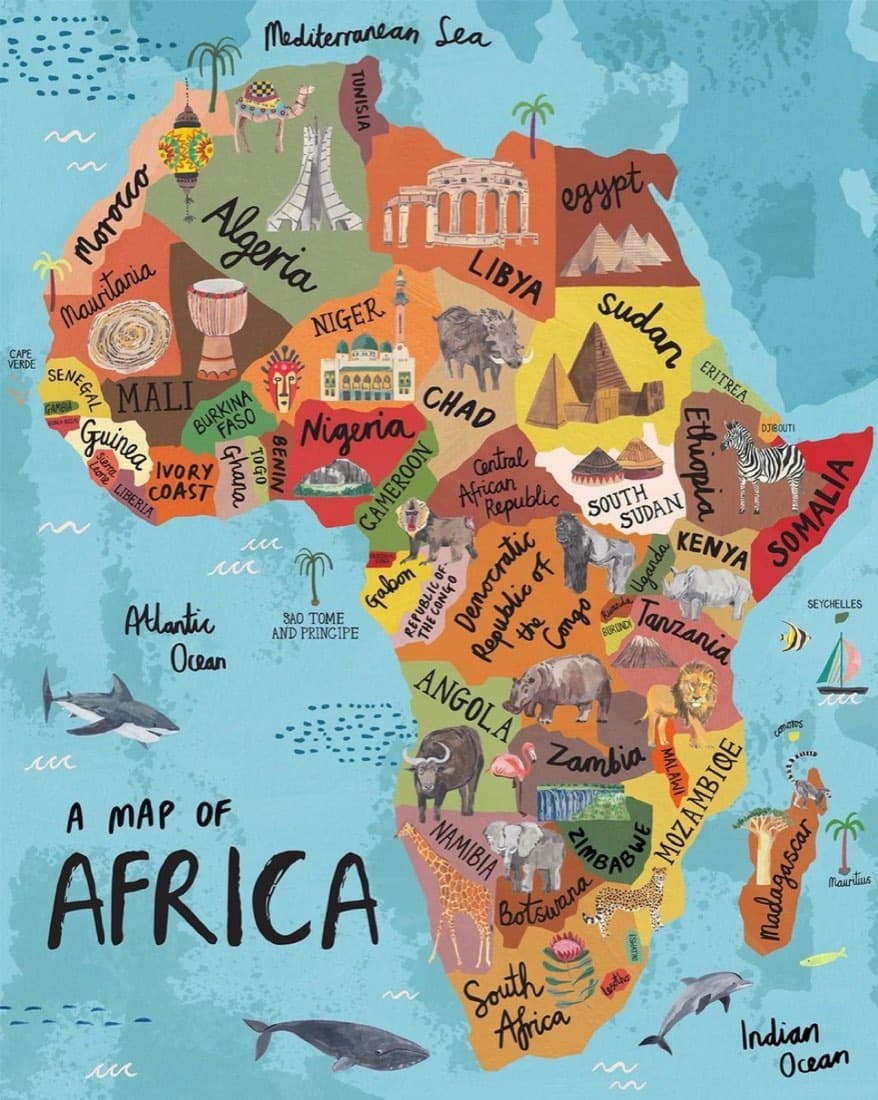
Down in South Africa, where the air is a bit thinner and the stakes feel a lot heavier, South Africa isn’t playing games. They are the grizzled veterans in the room, the ones who have been wearing the suit long enough to know where it pinches. The Johannesburg Stock Exchange (JSE) has moved past the polite “how-do-you-dos” of ESG and into the realm of cold, hard integration. By 2026, if you’re a CEO in Jozi, you aren’t just presenting a glossy annual report with a few photos of smiling children; you’re handing over independently verified data that links your social impact directly to your survival.
Then you look at Nigeria, a country that doesn’t just walk; it sprints. The Nigerian Exchange (NGX) and the SEC have stopped asking for permission and started setting the clock. They are currently in what they call the “Readiness Phase,” a polite way of telling companies to fix their messy rooms before the guests arrive in 2028. Nigerian firms are under the lens, adopting the International Sustainability Standards Board (ISSB) framework like their lives depend on it because they do. In Lagos, the “G” in ESG governance is the armor. It’s the shield against the old ghosts of corruption, and the “Social” pillar is the bridge to a youth population that is hungry for more than just corporate slogans. It’s a disciplined, phased march toward a market where “trust me” is no longer a valid business strategy.
Up in the North, Egypt is writing the script with the precision of an architect. They’ve bolted climate risk disclosures specifically the TCFD framework directly into the floorboards of their corporate laws. They aren’t doing it to be trendy; they’re doing it because when the Nile gets moody or the heat turns up, the bottom line feels the burn. An Egyptian company in 2026 that isn’t accounting for water scarcity isn’t just “un-green” it’s essentially a ghost ship. They’ve realized that the environment isn’t something you save for the sake of a documentary; it’s something you manage so your factory doesn’t run dry. It is corporate survivalism at its most calculated.
Meanwhile, Morocco is quietly building a wall of its own, championing an ESG framework that refuses to be a carbon copy of Brussels or New York. They are focusing heavily on the mining sector, making sure that when the world comes knocking for the cobalt and lithium that powers the global “Green Revolution,” Africa actually gets to keep a piece of the soul of the earth instead of just the scars. By 2026, their regulations demand that “Green” doesn’t just mean “low carbon” for the end-user in Paris, but “high value” for the worker in Casablanca. It’s a fierce reclamation of the “S” and “G” to ensure the continent isn’t just a pit for the world’s clean energy appetite.
Further West, in the bustling ports of Ghana and Côte d’Ivoire, the conversation is getting very real, very fast. They are aligning their accounting standards with global norms, not because they’ve suddenly become environmental activists, but because the European Union’s carbon taxes the CBAM are looming like a heavy storm cloud. For a cocoa or gold exporter, the “E” in ESG has become a financial border post. If you can’t prove your carbon efficiency or your ethical labor practices, your product stays on the dock or gets taxed into oblivion. It’s a pragmatic, gritty realization that the movement is defined by a mix of global pressure and the basic African instinct to adapt and survive.
In the middle of the continent, even the resource-rich giants of Central Africa are beginning to feel the squeeze. For a long time, the dense forests were seen as a shield, a vast lung that the world needed. But the world has stopped saying “thank you” and started asking for data. In 2026, being “carbon positive” isn’t enough; you have to prove you aren’t leaking governance standards behind the trees. The frameworks being used here are increasingly focused on nature-related financial disclosures (TNFD), because when your biggest asset is the jungle, your biggest risk is losing the trust of the banks that want to preserve it.
Across all these regions, the “African” twist remains the same: we don’t have the luxury of treating ESG as a hobby. In the West, you might lose some social media points for a bad ESG score. In Africa, you lose your credit line, your export license, and your seat at the table. We are seeing a massive shift toward the ISSB’s S1 and S2 standards because they provide a universal language, a way to tell a skeptical global investor that our books are clean and our impact is real. It’s the bridge that connects a mining town in Zambia to a pension fund in London.
The era of “Good Intentions” is finally dead and buried under the red soil. We have moved into the era of “Show Me the Data.” In 2026, a “good heart” or a famous last name won’t get you a loan from a global bank. A solid, transparent ESG framework will. We are finally learning that transparency isn’t just a moral high ground; it’s the only currency that actually holds its value when the world starts asking for change.
Africa is no longer just following the rules it is learning how to use them to build a house that won’t blow down when the wind changes.