

Introduction
The intellectual property serves as a cornerstone for innovation and creativity, encompassing various forms such as patents, trademarks, copyrights, and trade secrets. As society continues to evolve, the question arises; can intellectual property be transferred, shared, or inherited? This topic delves into the complex and multifaceted nature of intellectual property, exploring the legal, ethical, and practical dimensions associated with its transferability, inheritance, and shared ownership.
Transferability Of Intellectual Property

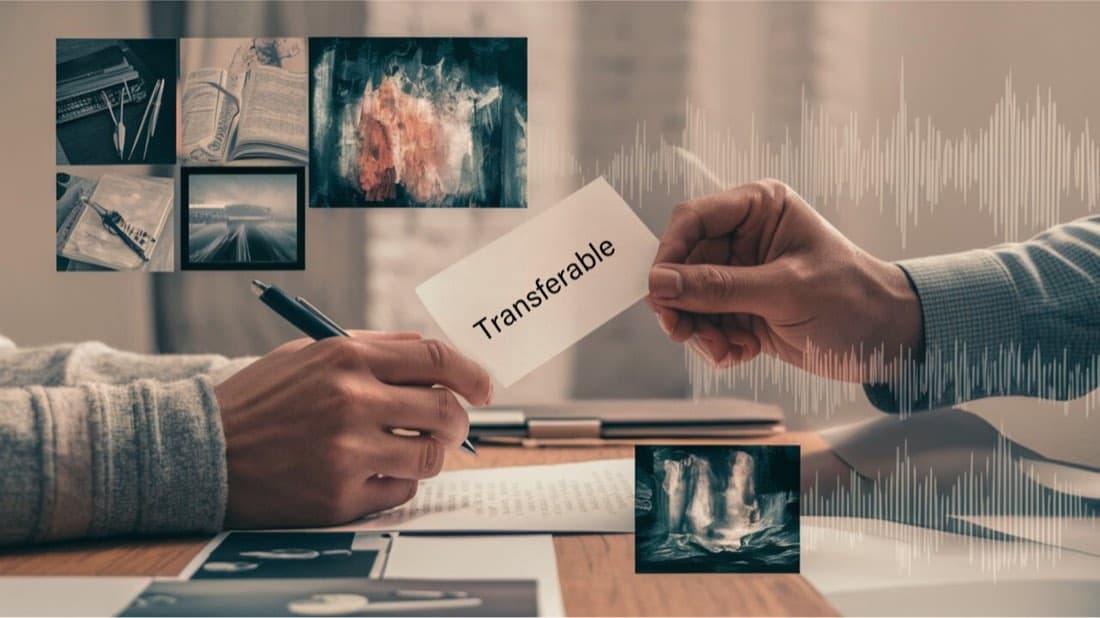
One crucial aspect of intellectual property is its transferability, allowing individuals and entities to buy, sell, or license their rights. Transferring intellectual property rights is the process of transferring or assigning ownership from one party to another. It is a legal process that involves an agreement in writing commonly known as an intellectual property assignment agreement and payment of charges and filing fees.
It is essential to have the intellectual property assignment agreement to tackle the following matters; the intellectual property rights that you are assigning, the territory in which the property rights are to be assigned, the consideration being paid for the assignment, and warranties and indemnities regarding validity and non-infringement of third-party rights.
Nonetheless, assigning your intellectual property rights does not stand as a better option for exploiting your assets. Creating a license deal would serve you better since you will earn royalties.
Inheritance Of Intellectual Property
Intellectual property can be passed on to beneficiaries through a will or intestate succession when there is no will. The intellectual property rights will automatically pass to the beneficiaries who will then become the new owners. These beneficiaries will enjoy every reward incurred by the Intellectual property until the exclusive protection period ends.
The treatment of Intellectual Property after the death of an owner is just the same as any other property. The owner may decide to either sell it, trade it or bequeath it to another person. Intellectual Property Rights can only be inherited after the owner’s death. The precise outcome of Intellectual Property after its owner’s death depends on any actions taken by the owner before their passing pertaining to the International Property, as well as any applicable laws and existing agreements.
When there is no will, the rules of intestacy shall be used to transfer the rights to the legal heir. Once an heir inherits Intellectual Property rights, they will be the rightful owner of all intents and purposes.
Shared Ownership
Intellectual Property rights might end up being owned jointly when two businesses share intellectual property, work as a joint venture, or participate in collaborative research and development projects. An individual can also end up as a joint owner of Intellectual Property rights.
In some jurisdictions like the United Kingdom and some European Union Member States, only co-owners can exploit their Intellectual Property. They are not allowed to assign or license their rights without the participation of other co-owners. Joint ownership of Intellectual Property can be a fairly tricky area of law to navigate. Nonetheless, it is much safer to create an agreement between you and the other party to safeguard your rights.
Conclusion
Delving into the dynamics of intellectual property reveals a complex landscape shaped by transferability, inheritance, and the emerging concept of shared ownership. As we navigate this evolving terrain, it becomes evident that the future of intellectual property rights hinges not only on legal frameworks but also on fostering collaboration, innovation, and ethical considerations. Balancing the needs of creators, inheritors, and collaborative ventures is pivotal for a harmonious and sustainable intellectual property ecosystem, one that fosters creativity while respecting the diverse interests involved
For more insights pertaining to this matter, you can reach the writer at vallarynyala@mmsadvocates.co.ke . You can also contact us at MMS Advocates, Lower Duplex Apartments, LOWER HILL ROAD, or email us at info@mmsadvocates.co.ke
Read more articles by Vallary Nyala : https://mmsadvocates.co.ke/does-intellectual-property-expire-unveiling-the-power-behind-intellectual-property-understanding-lifespans-and-safeguards/